
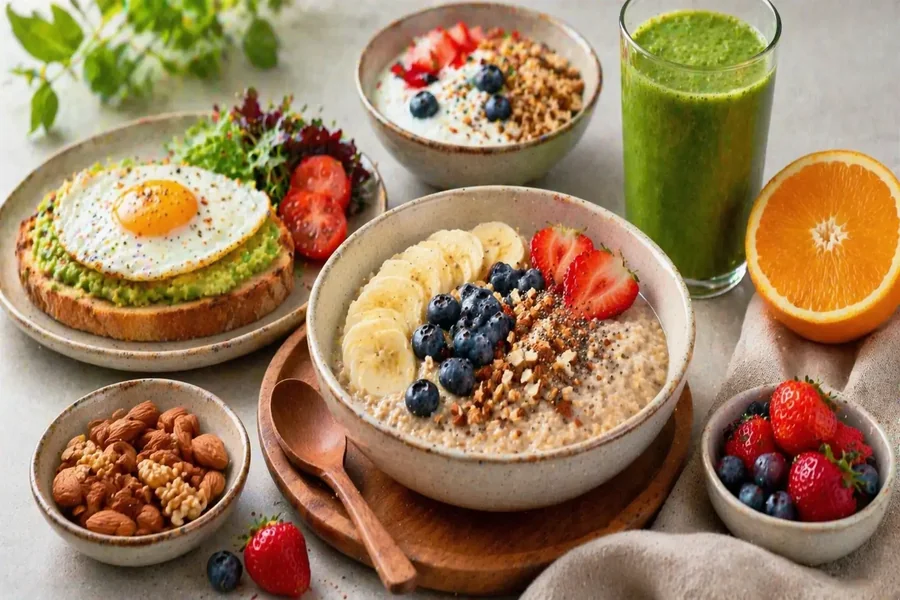
Walk down any grocery aisle and you will see the word “superfood” stamped on everything from granola bars to bottled smoothies. It is a powerful label. It makes a bag of seeds feel like a health investment and a frozen fruit pack feel like medicine. But what does the term really mean, and how do you use these foods in a way that makes a difference to how you feel each morning?
The honest answer is that “superfood” is a marketing word, not a scientific one. There is no official definition and no regulatory body that decides which foods qualify. That does not mean the foods themselves are hype. Many of them are genuinely dense in nutrients, and breakfast happens to be one of the easiest meals to pack them into. This guide walks through what makes a food worth the label, which ones are worth keeping in your kitchen, and how to build breakfasts around them without spending a fortune or falling for overblown claims.
Key Takeaways
- “Superfood” is a marketing term, but many foods sold under it are nutrient dense and worth eating regularly.
- Breakfast is the easiest meal to add berries, seeds, greens, nuts, and fermented foods to.
- Variety matters more than any single ingredient.
- Be skeptical of claims that one food can prevent disease or melt fat on its own.
What Actually Makes a Food “Super”?
When nutrition researchers talk about foods that earn their reputation, they usually point to a few qualities. The food delivers a lot of vitamins, minerals, fiber, protein, or healthy fats relative to its calories. It contains plant compounds such as polyphenols, carotenoids, or omega-3 fatty acids that are linked to long-term health. And it is something people can realistically eat often, not just once in a while.
By that standard, the most impressive foods are often the least glamorous. Spinach, beans, oats, and walnuts rarely get flashy packaging, yet they consistently show up in the research on heart health and healthy aging. Meanwhile, some exotic powders cost five times as much and offer little you could not get from a handful of frozen berries.
The takeaway is simple: judge a food by what it contains and how easily it fits into your routine, not by how trendy it sounds.
The Superfoods Worth Keeping in Your Kitchen
You do not need a cabinet full of exotic powders to eat well in the morning. The foods below are easy to find, simple to prepare, and backed by a reasonable amount of nutrition research. Most of them keep well in the pantry or freezer, so you can stock up once and mix and match throughout the week. Think of this list as a starter kit rather than a set of rules, and lean toward the options you actually enjoy eating.
Berries
Blueberries, raspberries, strawberries, and blackberries are some of the most reliable breakfast upgrades you can make. They are rich in fiber and vitamin C, and their deep colors come from anthocyanins, a group of antioxidants studied for their role in heart and brain health. Frozen berries are just as nutritious as fresh ones and often cheaper, which makes them perfect for smoothies, oatmeal, and yogurt bowls year round.
Leafy Greens
Kale and spinach are the classic examples, and for good reason. They supply vitamin K, folate, vitamin A, and minerals with very few calories. The challenge is that most people do not crave salad at 7 a.m. The solution is to hide greens in places they blend in: a handful of spinach disappears into a fruit smoothie, chopped kale works well in an omelet, and sautéed greens are excellent on toast with a fried egg.
A newer option for people who want greens without the bulk is Wolffia, a tiny aquatic plant sometimes called water lentils. Products like Wolfa greens offer a mild-tasting way to add plant protein, fiber, and micronutrients to breakfast. Because the plant is so small, it blends smoothly into smoothies and eggs without the stringy texture of raw kale. Wolffia is also notable because it provides all nine essential amino acids, which is unusual for a leafy green and makes it appealing for people eating less meat.
Acai
Acai berries come from palm trees native to the Amazon and are usually sold as frozen purée packs or powder. They are lower in sugar than many fruits and contain healthy fats along with antioxidants. Acai became popular as the base for thick, spoonable smoothie bowls, and it remains one of the most satisfying ways to eat a superfood breakfast. If you want to try it, this guide to a homemade coconut acai bowl walks through the process step by step. Just keep an eye on toppings. A bowl loaded with sweetened granola, honey, and extra fruit can quickly become a dessert.
Chia, Flax, and Hemp Seeds
Seeds are small, but they bring a lot to the table. Chia seeds absorb liquid and turn into a pudding-like texture, which makes them ideal for overnight breakfasts. Ground flaxseed adds fiber and plant-based omega-3s to muffins, pancakes, and oatmeal. Hemp hearts have a mild, nutty taste and a solid amount of protein per spoonful. A tablespoon or two of any of these can turn an ordinary breakfast into something far more filling.
Nuts
Walnuts, almonds, and pistachios provide healthy fats, protein, and fiber, which help keep you full until lunch. Walnuts in particular contain alpha-linolenic acid, a plant-based omega-3. Sprinkle a small handful over oatmeal or yogurt, or spread a spoonful of nut butter on whole grain toast. Portions matter here, since nuts are calorie dense, but a moderate serving is one of the easiest ways to make a breakfast more satisfying.
Oats and Whole Grains
Oats deserve a spot on every superfood list. They contain beta-glucan, a type of soluble fiber that has been studied for its ability to help manage cholesterol levels. Steel-cut and rolled oats are the least processed choices, but even quick oats are a good base if you skip the heavily sweetened flavored packets. Quinoa, buckwheat, and whole grain breads are other solid options for building a breakfast that releases energy slowly.
Fermented Foods
Plain yogurt, kefir, and other fermented dairy products bring protein, calcium, and live cultures to the morning meal. Greek yogurt in particular is high in protein, which helps you stay full. If you avoid dairy, look for unsweetened plant-based yogurts with added cultures, or try a side of kimchi with savory breakfasts. Flavored yogurts can contain a surprising amount of added sugar, so plain is usually the better starting point.
Eggs and Salmon
Not every superfood is a plant. Eggs are one of the most affordable sources of high-quality protein, and they also supply choline, which plays a role in brain function. Smoked or leftover salmon adds omega-3 fats and vitamin D, both of which many people fall short on. A plate of scrambled eggs with spinach and a few slices of salmon is a classic example of a savory superfood breakfast.
How to Build a Superfood Breakfast
The easiest way to put these foods to work is to think in building blocks rather than recipes. A balanced breakfast usually includes:
- A protein source such as eggs, Greek yogurt, kefir, nut butter, or a plant-based option like hemp or Wolffia.
- A fiber-rich base such as oats, whole grain toast, or a smoothie made with fruit and greens.
- A colorful fruit or vegetable such as berries, spinach, tomatoes, or peppers.
- A healthy fat such as avocado, nuts, seeds, or salmon.
Here are a few simple combinations to get started:
- Overnight chia oats: Rolled oats, chia seeds, milk or kefir, frozen blueberries, and chopped walnuts. Mix the night before and grab it in the morning.
- Green power smoothie: Banana, frozen mango, a handful of spinach or a scoop of Wolffia, Greek yogurt, and a spoonful of ground flax.
- Savory toast plate: Whole grain toast with mashed avocado, a soft-boiled egg, and sautéed kale.
- Acai bowl, balanced: An unsweetened acai base topped with fresh berries, hemp hearts, a few sliced almonds, and a small drizzle of honey.
None of these take more than ten minutes, and each one covers protein, fiber, fruit or vegetables, and healthy fats in a single meal.
Common Superfood Mistakes
Even healthy foods can be used in ways that undercut their benefits. A few common pitfalls are worth watching for:
- Relying on one “miracle” ingredient. No single food can make up for an otherwise poor diet. The benefits come from eating a wide range of nutrient-dense foods consistently over time.
- Overloading on sugar. Smoothies and bowls can quietly carry as much sugar as a pastry once you add juice, sweetened yogurt, granola, and honey. Use whole fruit for sweetness and keep added sugars minimal.
- Paying for powders you do not need. Many expensive supplement blends offer fewer nutrients than the whole foods they are made from. Spend your money on fresh or frozen produce, nuts, seeds, and grains first.
- Ignoring how foods interact. Some greens, like spinach, contain compounds that can reduce mineral absorption, and certain foods may not suit people with specific health conditions or medications. If you have a medical condition, talk to your doctor or a registered dietitian before making major changes.
Separating the Science From the Hype
It is worth approaching superfood marketing with a healthy dose of skepticism. Many of the bold claims you see online, such as foods that “detox” your body or “burn belly fat,” are based on lab or animal research rather than solid human studies. Even when a food really does contain beneficial compounds, the amount you eat in a normal serving may be far smaller than what was tested in a study.
Researchers who analyzed dozens of websites found that most online information about these foods is not exactly wrong, but it is often oversimplified and missing important context, such as possible downsides or the limits of the evidence. Their review of superfood claims online is a useful reminder that these foods work best as part of a balanced, varied diet, not as a cure-all.