
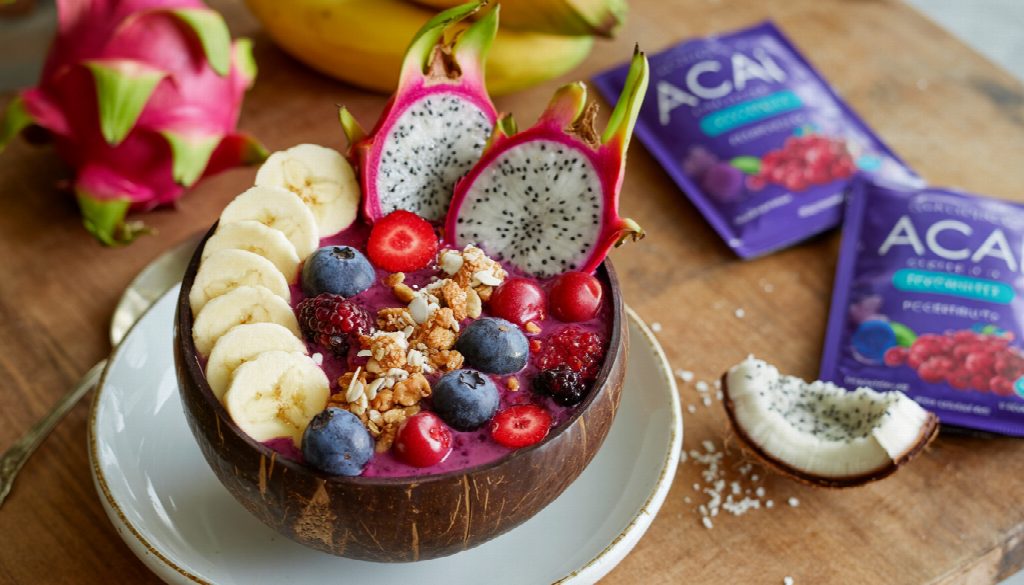
The acai bowl has evolved from a niche health food into a breakfast staple, and for good reason. When blended with coconut, this Brazilian superfruit transforms into something extraordinary—a creamy, nutrient-dense base that rivals anything you’d find at a trendy café. Making your own coconut acai base at home means controlling exactly what goes into your bowl, from the quality of ingredients to the balance of flavors, all while saving money in the process.
The appeal goes beyond customization. Homemade bowls eliminate the hidden sugars and preservatives that often lurk in commercial versions. You’re working with whole ingredients, adjusting sweetness to your preference, and building a breakfast that actually sustains you through the morning. For anyone who’s paid $12 for a bowl that’s mostly ice and syrup, the difference is immediately clear.
Why Coconut Transforms the Traditional Acai Bowl
Acai on its own has an earthy, slightly tart flavor that some find challenging. Coconut changes the equation entirely. The natural creaminess of coconut milk or coconut water softens acai’s intensity while adding a subtle tropical sweetness that doesn’t require added sugar. The result is a base that’s both indulgent and clean-tasting.
Nutritionally, coconut brings more than just flavor. It contains medium-chain triglycerides (MCTs), a type of fat that research suggests may support energy metabolism differently than other fats. Coconut also provides manganese for bone health and copper for iron absorption. Combined with acai’s renowned antioxidant profile—particularly its anthocyanins, which give the berry its deep purple color—you’re building a breakfast with genuine functional benefits.
The texture matters too. A proper coconut acai base should be thick enough to hold toppings without turning soupy, but smooth enough to eat comfortably. Coconut milk achieves this balance naturally, creating a consistency that’s closer to soft-serve ice cream than a drinkable smoothie.
Essential Ingredients for Your Coconut Acai Base
Quality starts with what you put in the blender. Here’s what you need:
- Acai puree: Unsweetened frozen packs are the standard. Avoid acai juice or sweetened versions, which dilute the nutritional value.
- Coconut milk: Full-fat creates the richest texture, but light coconut milk works if you prefer fewer calories. Avoid coconut milk beverages, which are too thin.
- Banana: A frozen banana adds natural sweetness and helps achieve the right thickness. Fresh banana works but yields a thinner consistency.
- Frozen berries: Blueberries, strawberries, or mixed berries add depth and help maintain the cold, thick texture.
- Sweetener (optional): Honey, maple syrup, or dates if you need additional sweetness, though ripe banana often provides enough.
Ingredient quality directly affects the final product. Organic acai and berries minimize pesticide exposure, and full-fat coconut milk from brands that use minimal additives makes a noticeable difference in taste. Check labels carefully—some coconut milk contains guar gum or other thickeners that can affect texture.
Building the Perfect Base: Technique Matters
The process is straightforward, but small details separate a mediocre bowl from an exceptional one:
- Prep your ingredients: Break the acai pack into chunks. Peel and slice the banana if it’s not already frozen. Measure your coconut milk and berries.
- Layer strategically: Add liquid first (coconut milk), then acai chunks, frozen banana, and berries. This order helps the blender process everything smoothly.
- Blend in pulses: Start with short pulses to break down the frozen ingredients, then blend continuously. Stop and scrape down the sides as needed.
- Adjust consistency: Too thick? Add coconut milk one tablespoon at a time. Too thin? Add more frozen fruit or a handful of ice.
- Taste and refine: Sample the base before pouring. Adjust sweetness or add a pinch of sea salt to enhance flavors.
The ideal consistency should require a spoon, not a straw. When you drag a spoon across the surface, it should leave a clean trail. This thickness ensures toppings sit on top rather than sinking, creating the visual appeal that makes acai bowls so satisfying.
Temperature control is crucial. If your blender struggles or the mixture becomes too liquid, your ingredients may not be frozen enough. Work quickly once blended—the base will start to soften within minutes at room temperature.
Customization: Where Creativity Meets Nutrition
The base is just the beginning. Toppings transform a simple bowl into a complete meal, adding texture, flavor contrast, and additional nutrients. Consider these categories:
- Fresh fruit: Sliced banana, strawberries, blueberries, kiwi, and mango add natural sweetness and vitamins. Arrange them thoughtfully for visual impact.
- Crunch elements: Granola, sliced almonds, coconut flakes, or cacao nibs provide textural contrast. Toast nuts lightly to enhance flavor.
- Seeds: Chia, hemp, flax, and pumpkin seeds boost omega-3s, protein, and fiber without overwhelming the bowl’s flavor.
- Nut butters: A drizzle of almond, cashew, or peanut butter adds richness and staying power. Warm it slightly for easier drizzling.
- Superfoods: Bee pollen, goji berries, or spirulina for those seeking additional functional benefits.
Balance is key. Too many toppings can overwhelm the base and turn breakfast into a sugar bomb. Aim for 3-5 complementary elements that add both nutrition and enjoyment.
Elevating Your Bowl with Strategic Superfood Additions
Beyond standard toppings, certain ingredients can significantly enhance both nutrition and flavor complexity:
- Chia seeds: These tiny seeds absorb liquid and create a pudding-like texture when sprinkled on top. They’re loaded with fiber and omega-3 fatty acids.
- Cacao nibs: Raw cacao provides antioxidants and a subtle chocolate flavor without added sugar. The slight bitterness balances sweet fruit perfectly.
- Hemp hearts: One of the few plant-based complete proteins, hemp seeds add a nutty flavor and creamy texture.
- Goji berries: These dried berries offer a chewy texture and concentrated sweetness, plus vitamin C and antioxidants.
- Matcha powder: A light dusting adds earthy flavor and a caffeine boost for those who need morning energy.
Acai berries contain significantly higher antioxidant capacity than many other fruits, making them a legitimate functional food rather than just a trend. Pairing acai with other antioxidant-rich ingredients creates a genuinely powerful breakfast.
The Economics and Health Benefits of Homemade Bowls
A typical acai bowl from a café runs $10-15. Making the same bowl at home costs roughly $3-5, depending on ingredient quality and topping choices. For anyone eating acai bowls regularly, the savings add up quickly—potentially hundreds of dollars per year.
Beyond cost, homemade preparation offers control that’s impossible with commercial options:
- Sugar management: Many café bowls contain 50+ grams of sugar from sweetened acai, fruit juice bases, and honey drizzles. Homemade versions can easily stay under 20 grams using only fruit sugars.
- Portion awareness: Restaurant bowls often contain 2-3 servings worth of calories. At home, you decide what constitutes a meal.
- Ingredient transparency: You know exactly what’s in your bowl—no hidden fillers, artificial colors, or low-quality ingredients.
- Dietary accommodation: Easy to make vegan, paleo, keto-friendly, or allergen-free versions based on your needs.
Making It Work in Real Life
The biggest barrier to regular acai bowl preparation is convenience. A few strategies make it sustainable:
Batch prep your base: Blend multiple servings of the coconut acai base and freeze in individual portions. When you’re ready to eat, let it thaw for 5-10 minutes while you prepare toppings.
Keep toppings ready: Store granola, seeds, and coconut flakes in airtight containers. Pre-slice fruit the night before or keep frozen fruit on hand for quick assembly.
Invest in quality tools: A high-powered blender makes the process significantly easier. Cheaper blenders often struggle with frozen acai, leading to frustration and inconsistent results. For those looking for even more convenience without sacrificing quality, pre-made bases from Sambazon, Açaí Roots, or Acai Exotic offer a middle ground between café prices and full DIY preparation, leaving you with little more to do than add toppings.
Beyond Breakfast: When and How to Enjoy Acai Bowls
While acai bowls have become synonymous with breakfast, they work equally well as post-workout recovery meals or afternoon snacks. The combination of simple carbohydrates from fruit and healthy fats from coconut makes them effective for replenishing energy after exercise.
Timing matters for blood sugar management. Eating an acai bowl on an empty stomach can cause a quick energy spike followed by a crash, especially if it’s heavy on fruit and light on protein and fat. Adding nut butter, hemp seeds, or a scoop of protein powder helps stabilize blood sugar and extend satiety.
Start Building Better Breakfast Habits
The coconut acai bowl represents something larger than a trendy breakfast—it’s an accessible entry point into more intentional eating. Making your own means understanding what actually fuels your body, developing basic kitchen skills, and taking control of your nutrition in a way that feels enjoyable rather than restrictive.
The learning curve is minimal. After making a few bowls, you’ll develop an intuitive sense for proportions and preferences. You’ll discover which toppings you actually enjoy versus which ones just look good on Instagram. You’ll find the right balance between nutrition and indulgence that works for your lifestyle.
Whether you’re seeking a healthier breakfast routine, looking to save money on café visits, or simply wanting more control over what you eat, the coconut acai bowl delivers on all fronts. The combination of creamy coconut, antioxidant-rich acai, and customizable toppings creates something that’s both genuinely nutritious and satisfying enough to look forward to each morning.