
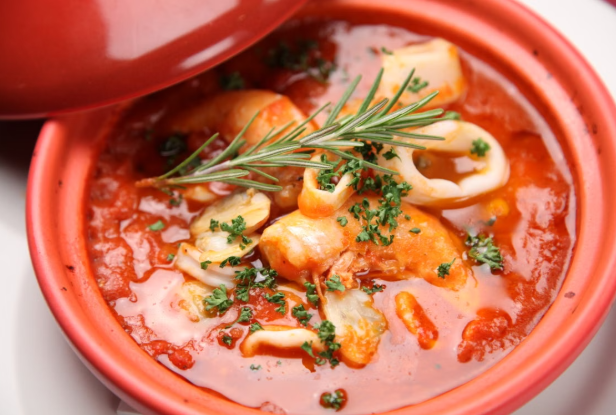
New Orleans is known for its distinctive food culture, where French, Spanish, African, Caribbean, and Native American influences come together in everyday cooking. From neighborhood restaurants to family kitchens, the city’s food tells stories of generations of cultural exchange, and few dishes capture that heritage quite like gumbo.
The history of Creole gumbo reflects the many communities that helped shape New Orleans cuisine over the centuries. Their cooking traditions, ingredients, and techniques gradually came together to create a dish that remains an important part of the city’s culinary identity.
So, what makes New Orleans creole gumbo different from other gumbo styles? The answer comes down to its ingredients, cooking techniques, seasoning, and cultural influences.
Let’s understand the differences in detail.
A Blend of Different Cultural Influences
Creole cooking developed through the blending of French, Spanish, African, and Caribbean culinary traditions, giving New Orleans gumbo its distinctive flavor.
Unlike some regional variations that follow simpler ingredient combinations, Creole gumbo often brings together several ingredients in one pot. The result is a layered dish with a balance of savory, spicy, and sometimes slightly sweet flavors.
Understanding the history of Creole gumbo also helps explain how these diverse culinary traditions shaped the dish over generations.
Tomatoes Make a Noticeable Difference
Tomatoes are one of the most recognizable differences between Creole and other gumbo styles. Creole versions, particularly those found in New Orleans, may include tomatoes, which add a subtle acidity and a slightly brighter flavor.
Other styles like Cajun gumbo traditionally tend to avoid tomatoes. Its flavor usually comes from a darker roux, meat, seafood, and carefully developed seasoning.
The Holy Trinity Builds Its Flavor
Creole gumbo commonly starts with the Louisiana cooking staple known as the Holy Trinity.
- Onions: Provide a savory foundation
- Bell peppers: Add sweetness and aroma
- Celery: Brings freshness and balance
Garlic, bay leaves, cayenne pepper, and other seasonings are often added to develop the flavor further. Okra may also be used as a thickening ingredient.
A Different Approach to the Roux
The roux is an essential part of almost every traditional gumbo. It is made by cooking flour and fat together, creating the base that gives the dish its thickness and depth.
Creole gumbo often uses a lighter or medium-brown roux, although darker versions are also common. They do not produce a deeper, nuttier, and more intensely roasted flavor like other gumbos.
Seafood Plays a Prominent Role
New Orleans’ location along the Gulf Coast makes fresh seafood an important part of its food culture. This influence is especially noticeable in Creole gumbo, where shrimp, crab, oysters, and sometimes crawfish are popular ingredients.
Other versions also combine seafood with smoked sausage or chicken, creating a more substantial meal.
Conclusion
The history of Creole gumbo reflects the cultural exchanges and culinary traditions that helped shape New Orleans cuisine. Ultimately, what makes New Orleans Creole gumbo special is the way these ingredients and traditions come together to create something deeply connected to the city’s identity.
Final Takeaways
- Creole gumbo in New Orleans is more than a comforting bowl of soup.
- It often includes tomatoes, unlike traditional Cajun versions.
- Its flavor reflects several cultural influences.
- Seafood is a popular ingredient, thanks to the city’s Gulf Coast location.
- The roux, Holy Trinity, and seasoning give it its signature depth.