
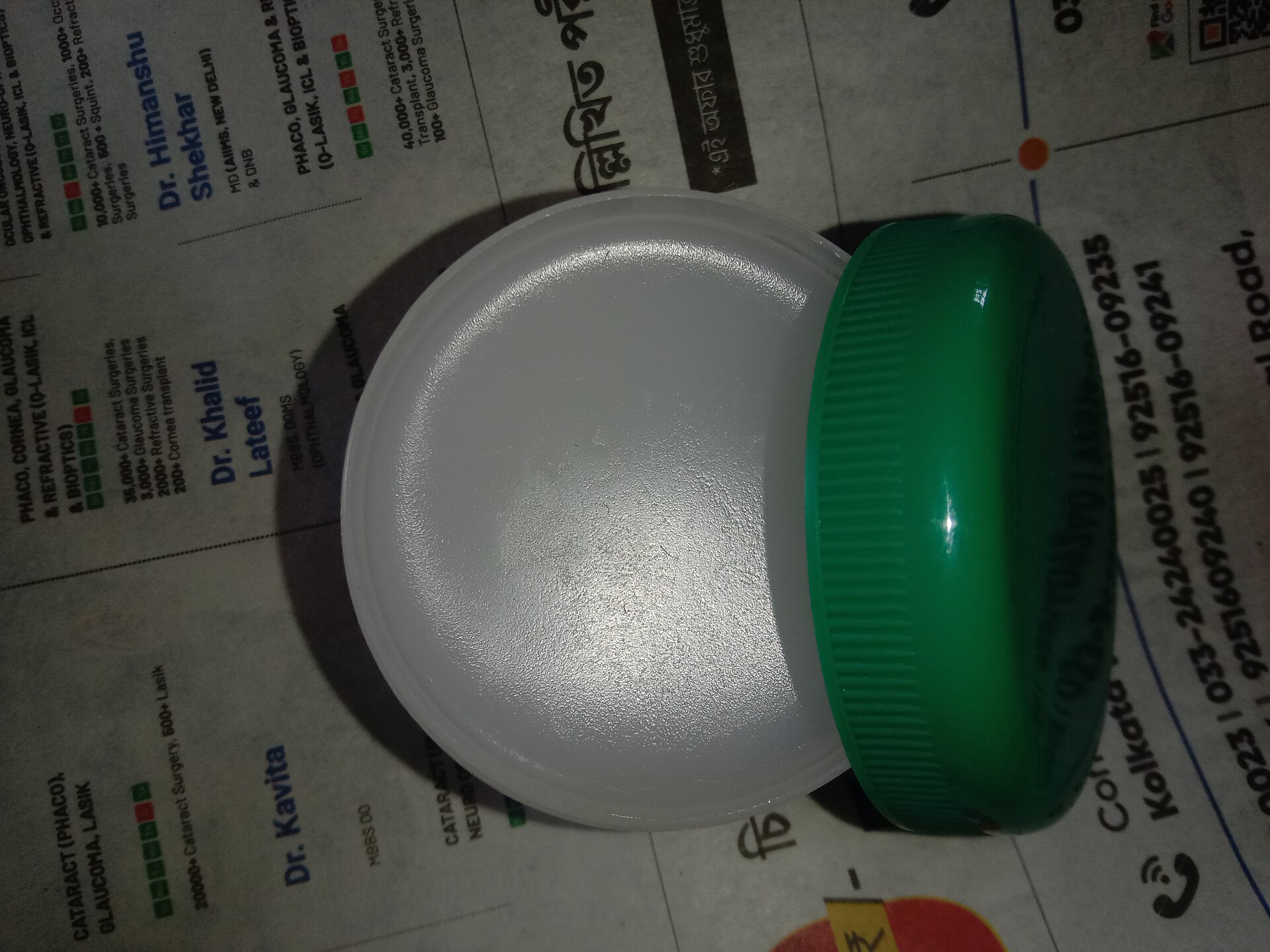
You’re standing in a pharmacy aisle, or typing a shopping list, and you stop. Is it Vaseline or “vasoline”? If you’ve ever tried to spell vaseline from memory and doubted yourself, you’re in good company. The correct spelling is V-A-S-E-L-I-N-E. “Vasoline” is a common misspelling, and it isn’t the product name.
Where the confusion comes from
Vaseline is a brand name for petroleum jelly. It was first made in the 1870s by a chemist named Robert Chesebrough, who found that the waxy residue on oil rigs helped cuts and burns heal. He turned it into a product and gave it a catchy name. The brand name was coined to sound clean and medical, and it stuck.
Somewhere along the way, many people started saying “vasoline,” with an “o” in the middle. It’s easy to see why. English has plenty of words ending in “-oline,” like gasoline and crinoline, and the “o” sound just feels natural. Say it quickly and the middle vowel often slides to “o.” But the brand spelling has always used an “e.”
A simple way to remember it
Here’s a trick that works well. Think of the word “vase.” Vaseline starts with the same four letters: V-A-S-E. Then you add “-line.” If you can picture a vase on a shelf next to a line of jars, you’ve got it.
Another way: the ending is “-line,” like the word “line,” not “-lone” or “-loan.” Both clues point to the same answer, so use whichever one sticks.
Capital V or lowercase v?
Because it’s a trademark, you’ll usually see “Vaseline” with a capital V. That’s the safest choice in formal writing, product reviews and emails. In casual speech, people use “vaseline” with a lowercase v as a general word for petroleum jelly, the same way some people say “Kleenex” for any tissue. You’ll see that in plenty of texts and social posts, and nobody minds.
If you’re writing about the stuff itself and don’t mean the brand, “petroleum jelly” is the neutral term. Many store brands sell the same thing under that name, usually for less.
What people use it for
Part of why the word is so common is that the product has so many uses. People put it on dry lips, rough elbows and cracked heels. Parents use it on diaper rash. Runners rub it on areas that chafe. Some folks use a thin layer around the edges of a face to stop hair dye from staining the skin. Others dab it on a squeaky hinge, though that one’s more of a household hack than a recommended use.
It works because it seals in moisture and forms a barrier over the skin. It doesn’t add water itself, so it’s best used on skin that’s slightly damp, such as right after a shower.
Does the spelling matter on a label or a list?
For a shopping list, not really. Nobody at the store will refuse to hand you the jar because of a stray vowel. It matters more in anything public, like a product review, a blog post, a school paper or a small business listing. A wrong brand spelling in a headline is the kind of slip readers notice right away, and it can make the rest of the page feel less careful.
Other words that cause the same mistake
Brand names are often misspelled because we hear them more than we read them. A few that people frequently get wrong include “Tupperware,” “Jacuzzi,” “Band-Aid” and “Ziploc.” If you want to double-check any word like that, a quick glance at a reference site such as compairro.com or the product’s own packaging will settle it in seconds.
Quick recap
The right spelling is Vaseline, with an “e.” “Vasoline” is a misspelling that creeps in because of how the word sounds. Remember “vase” plus “line,” keep the capital letter when you mean the brand, and use “petroleum jelly” when you mean the generic product. That covers every situation you’re likely to run into.