
Navigating the Los Angeles County Hubs
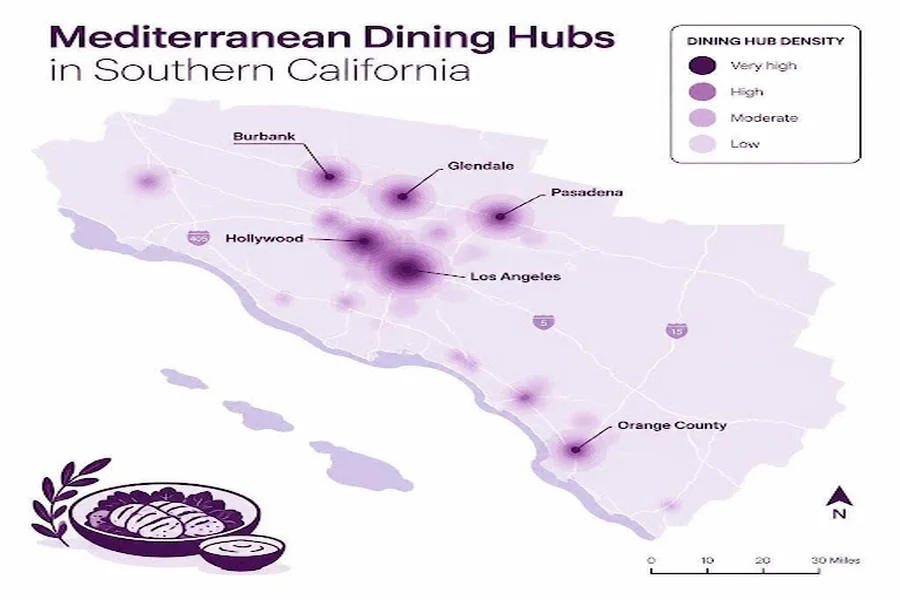
The presence of Zankou Chicken in Los Angeles County is anchored by its historic roots in the region. Most branches are situated in high-traffic corridors, making them accessible to both local residents and commuters. In central Los Angeles and Hollywood, you will find storefronts that cater to a dense urban population. These locations often prioritize quick service and takeout efficiency.
When visiting these hubs, it is helpful to check parking availability in advance. Many older storefronts in the Hollywood area have limited street parking or small shared lots. If you are using public transit, look for branches located near major bus lines or metro stops, which are common in the more walkable parts of the city. Glendale, Pasadena, and Burbank host several key locations. These spots are often positioned near major intersections, allowing for easy access whether you are heading to work or running errands.
Spotting Valley and Foothill Destinations
As you move into the San Fernando Valley and the surrounding foothills, the layout of these restaurants shifts to accommodate a more suburban customer base. Many of these outposts are located near major highway junctions, serving as convenient stops for those traveling across the region. Unlike the dense urban branches, these locations often feature larger parking areas, making them ideal for families or those picking up large orders.
Commuter traffic patterns are a major factor here. During midday rushes, these suburban spots can become quite busy. If you are planning a visit, try to avoid the peak lunch hour between 12:00 PM and 1:30 PM. Mapping your route to include these highway-adjacent locations can save you significant time, as they are specifically designed to handle higher volumes of drive-through and takeout traffic compared to the smaller, older city locations.
Checking Hours, Digital Menus, and Store Amenities
Before heading out, it is essential to verify the operating schedule for the specific branch you plan to visit. While most locations follow a standard set of hours, independent management can lead to minor variations in closing times or holiday availability. Using the official online ordering portal is the most reliable way to confirm if a location is currently accepting orders.
These digital portals also provide a clear view of the current menu, which is helpful since availability can sometimes fluctuate based on supply. If you prefer to dine on-site, check the location’s profile to see if they offer indoor seating or if they are strictly a takeout-only facility. Drive-through availability also varies significantly by site, so confirming this detail beforehand can be the difference between a quick stop and a longer wait.
The Anatomy of the Signature Order: What to Get at Your Nearest Spot
The Golden Rotisserie and Legendary Garlic Sauce Pairing
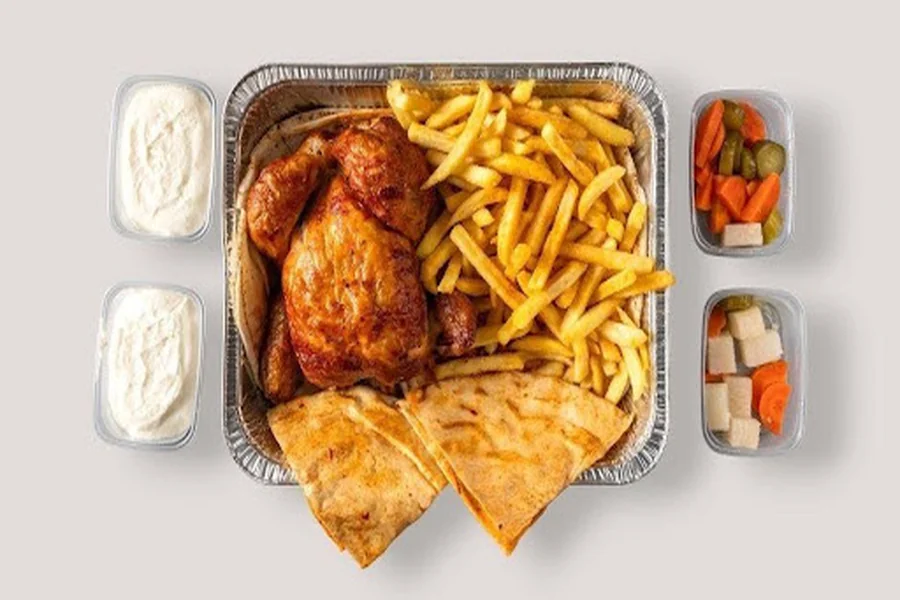
The foundation of the menu is the rotisserie chicken. This dish relies on a specific brine, often featuring citrus and traditional Mediterranean spices, which penetrates the meat before it hits the spit. The result is a bird with crisp, golden skin and exceptionally tender meat. The rapid turnaround time in these kitchens is intentional; chicken is roasted in batches throughout the day to ensure that the product coming off the spit is always fresh.
The signature whipped garlic sauce, or toum, is the essential companion to this meal. Its texture is light and airy, achieved through a precise emulsion of garlic, oil, lemon juice, and salt. Because the sauce is so potent, it is meant to be used as a condiment to cut through the richness of the roasted poultry.
Savory Shawarma Plates, Fresh Falafel, and House Sides
Beyond the rotisserie, the menu offers a variety of traditional dishes that reflect a broader culinary heritage. The shawarma, featuring thin, slow-carved slices of spiced beef or chicken, provides a different texture and flavor profile compared to the whole-roasted birds. It is often served in wraps or on platters accompanied by fresh vegetables.
Vegetarian options are also a staple. The falafel is scratch-made, resulting in a crispy exterior and a soft, herb-filled center. When paired with creamy tahini, it serves as a protein-rich alternative to the meat dishes. To complete a meal, many diners add house sides like mutabbal (a smoky eggplant dip), hummus, or fresh tabbouleh. These sides are designed to balance the savory, garlic-heavy nature of the main courses.
Case Study: Consistency and Quality Control in Local Kitchens
Standardizing Lebanese-Armenian Flavor Profiles
The consistency of the food across various locations is a result of long-standing recipes that have been passed down through generations. These Lebanese-Armenian flavor profiles are defined by a specific balance of spices—primarily garlic, lemon, and high-quality oils. Maintaining this profile requires that every kitchen follows the same preparation steps, regardless of the individual manager.
Preserving this heritage in a modern fast-casual setting is a challenge. The brand has managed to keep its identity by focusing on the core menu rather than expanding into too many experimental categories. By keeping the focus on the rotisserie and the signature sides, each storefront can maintain a level of quality that feels authentic to the original family recipes.
Fresh Daily Scratch Preparation vs. Central Kitchen Logistics
The preparation method is the primary driver of quality. Unlike some chains that rely on pre-cooked or frozen ingredients, these kitchens prioritize on-site butchery and small-batch roasting.
| Feature | Small-Batch Spit Roasting | High-Volume Commercial Baking |
| Preparation | On-site, daily, fresh | Centralized, often pre-cooked |
| Texture | Crispy skin, juicy meat | Variable, often softer |
| Flavor | Deep, spice-infused | Mild, uniform |
| Turnover | High, based on demand | Low, bulk-processed |
This commitment to scratch preparation means that the quality of the meal is closely tied to the skill of the staff on-site. By focusing on smaller, more frequent batches of chicken, the kitchens ensure that the meat does not dry out under heat lamps, a common issue in larger, less focused operations.
Expanding Your Route: Exploring Regional Mediterranean Specialties
Diversifying Your Plate Beyond Rotisserie Poultry
While the rotisserie chicken is the main draw, the broader Mediterranean menu offers much to explore. Spit-roasted meats are only one part of the tradition. Many diners find that mixing and matching different proteins—such as adding a side of beef shawarma to a chicken order—provides a more complete experience of the regional flavors.
Wholesome accompaniments are also key to a balanced meal. Sumac-dusted onions provide a sharp, acidic contrast to the fattier meats, while saffron rice serves as a neutral base that soaks up the juices and sauces. Choosing these sides allows you to customize your plate and move beyond the standard chicken-and-garlic combination.
Discovering Eastern Suburbs and Diamond Bar Skewer Destinations
As you travel east toward the San Gabriel and Pomona Valleys, the culinary landscape expands to include a wider variety of Mediterranean and Persian influences. If you find yourself in the Diamond Bar area and are looking for charbroiled Mediterranean kabobs, you will find establishments that focus on made-to-order, flame-grilled meats. These spots often emphasize a different style of preparation, where skewers are grilled over an open flame to achieve a distinct smoky char.
These restaurants are excellent options for those who enjoy the social aspect of family-style platters and fresh, vibrant mezze. The focus here is often on the hospitality of the grill, where the meat is prepared only after you order it, ensuring the highest level of flavor and texture.
Practical Tips for Ordering and Avoiding Peak Wait Times
Timing Lunch and Dinner Rotisserie Cycles
To get the best experience, time your visit to align with the restaurant’s roasting cycles. Most locations rotate their spits continuously, but there are windows where the freshest batches come off the fire. Aiming for the start of the lunch rush (around 11:00 AM) or the early dinner shift (around 5:00 PM) usually guarantees that you are getting chicken that has just finished its roasting cycle.
Avoiding the mid-afternoon lull is also wise. During these times, the kitchen may be transitioning between batches, and the selection of sides might be limited. If you are ordering for a group, calling ahead to check on the status of the next batch can save you from waiting at the counter.
Large Orders, Catering Trays, and Family-Style Feasting
For group gatherings or office lunches, catering trays are the most efficient way to serve a crowd. When calculating portion sizes, assume that each person will want a significant amount of the signature garlic sauce—it is almost always the first item to run out.
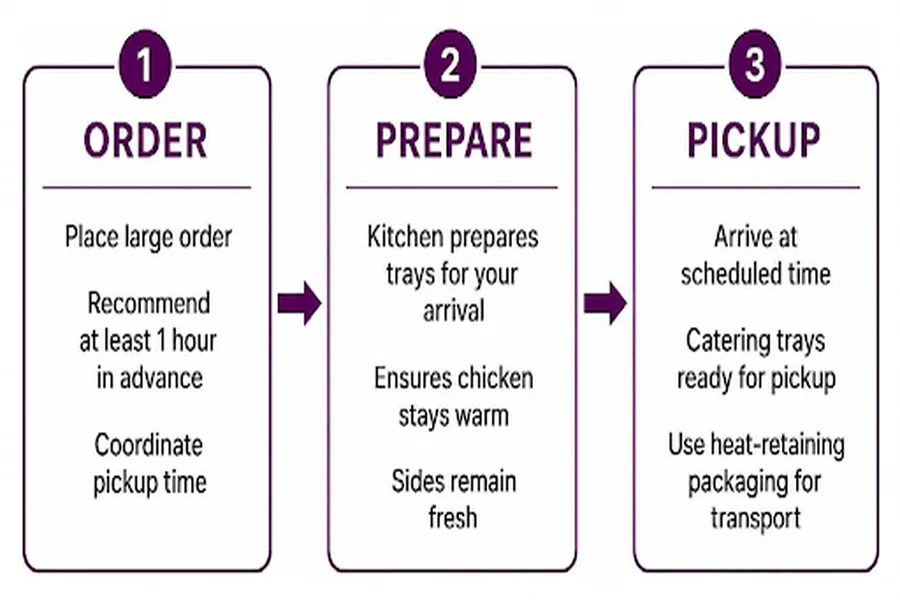
When placing a large order, try to coordinate your pickup time at least an hour in advance. This allows the kitchen to prepare the trays specifically for your arrival, ensuring the chicken stays warm and the sides remain fresh. Choosing durable, heat-retaining packaging is also important if you have a long drive ahead, as it helps maintain the quality of the roasted meat during transit.
Conclusion
Finding your nearest rotisserie kitchen is about more than just proximity; it is about understanding the rhythm of the kitchen and the specific menu items that define the brand. By paying attention to roasting cycles, navigating the regional footprint, and exploring the wider world of Mediterranean grilled specialties, you can ensure a high-quality meal every time. Whether you stick to the classic rotisserie and garlic pairing or venture out to try new skewers and mezze, the legacy of these flavors remains a central part of the Southern California dining experience. Enjoy the process of finding your favorite spot and sampling the best that these local kitchens have to offer.