Ice fishing often begins before sunrise, when the lake is dark, the air is cold, and most of the equipment has to be unpacked on the ice. Anglers may need to organize rods, prepare bait, drill holes, and check their shelters before the first light reaches the horizon. In these conditions, dependable lighting is more than a convenience. It helps you see your equipment, keep track of small items, and move around your setup with greater awareness.
A useful lighting arrangement combines hands-free illumination with a separate light for checking areas farther away. The right setup also needs to work with winter clothing, bulky gloves, and a battery routine suited to cold conditions. Lighting can make tasks easier to see, but it cannot determine whether ice is safe to walk on. Ice conditions must be assessed independently using reliable local guidance and appropriate safety equipment.
Why Ice Anglers Start in the Dark
Early starts give anglers time to prepare before other people arrive and allow them to make the most of their planned fishing window. However, unloading a sled, organizing tackle, and setting up near a frozen shoreline can be difficult when visibility is limited. Small items can disappear into snow, fishing line becomes harder to manage, and uneven surfaces may be difficult to distinguish from smooth ice. A hands-free light lets you keep both hands available while preparing gear and moving carefully around your fishing area.
Before leaving home, check the local weather forecast, access conditions, and official ice-safety information for the specific lake. Ice thickness can vary considerably across the same body of water, especially near moving water, inlets, outlets, vegetation, and areas affected by changing temperatures. Never assume that a frozen surface is safe because it looks solid or because other anglers are already on it. Carry appropriate ice-safety equipment, travel with a partner when possible, and follow local recommendations for assessing conditions. A flashlight can help you inspect visible surroundings, but no light can confirm the strength or safety of the ice.
Red Light, White Light: Protecting Night Vision on the Ice
White light is useful when you need to see details clearly. It can help with tying knots, examining hooks, checking a drill, or packing equipment into a sled. The drawback is that bright light can temporarily make it harder to see in darker surroundings after you switch it off. This can be inconvenient when you alternate between working close to your gear and watching the surrounding area. Using an appropriate brightness level instead of maximum output every time can help you avoid unnecessary glare and make your battery last longer.
Red light can be useful for certain close-up tasks when preserving dark adaptation matters, although its effectiveness depends on brightness and individual circumstances. It may help you find an item in a tackle box or check equipment without filling the entire area with bright white light. Red illumination does not make you automatically more visible to others or eliminate the need for good situational awareness. Keep a white-light option available for tasks that require accurate detail, and avoid directing either color into another angler’s eyes. A practical setup lets you switch between lighting modes according to the job rather than using one setting for every situation.
Cold Weather and Battery Life
Low temperatures can affect rechargeable battery performance, reducing the energy available during use and sometimes making a battery appear to drain faster than it would in milder conditions. Long periods of illumination, frequent use of high brightness, and repeated switching between modes can also influence runtime. This matters during ice fishing because a light may be needed for several hours before sunrise, and returning to a vehicle or shelter just to recharge may not be practical.
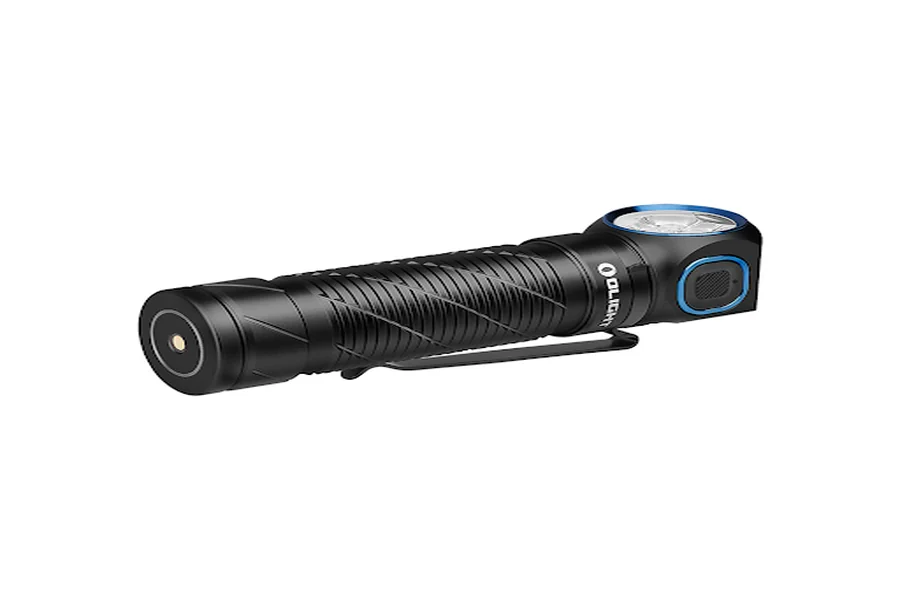
Check the battery before leaving home and follow the manufacturer’s instructions for charging, operating, and storing the light in cold conditions. Keeping a light protected inside an appropriate pocket or insulated part of your gear may help reduce exposure to extreme cold, provided it cannot switch on accidentally. Carry a suitable backup light and consider spare power options when your trip length requires them. The Olight Perun Ultra is one model anglers can investigate when comparing hands-free lighting options for extended outdoor tasks. Review its official product information for supported modes, battery guidance, and operating recommendations rather than assuming a particular runtime in freezing conditions.
Working With Gloves On
Winter gloves can make small controls harder to find and operate. A switch that feels simple indoors may become frustrating when your fingers are cold and you are wearing thick insulated gloves. Before heading onto the ice, test the light’s controls with the gloves you actually plan to wear. Check whether you can switch it on, change modes, adjust brightness, and turn it off without repeatedly removing your gloves or looking down for several seconds.
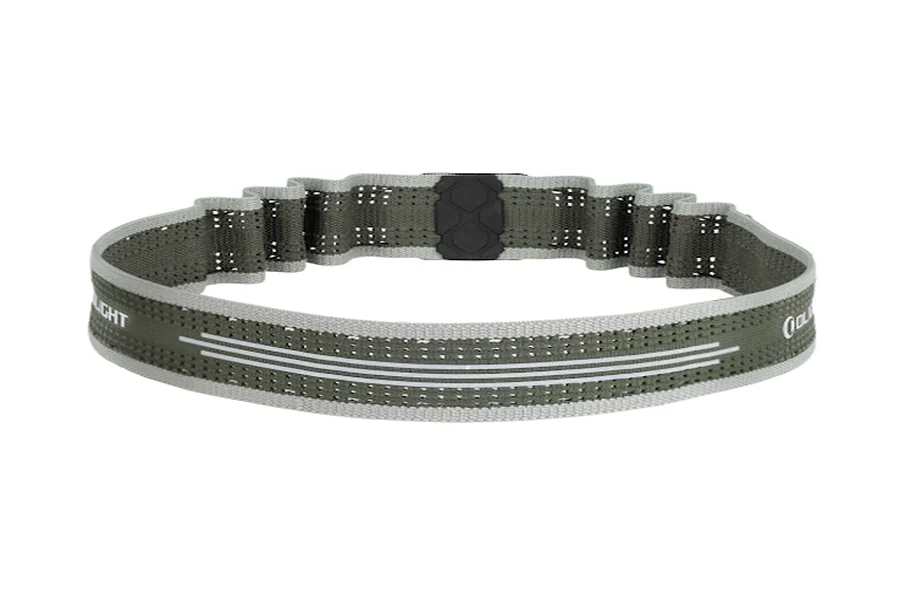
Fit matters as well. A headlamp strap should remain secure over your usual winter hat or hood without creating pressure points. Adjust it before you leave home, then move your head and bend forward to see whether the beam shifts unexpectedly. If the strap slips when you look down at a hole or tackle tray, make adjustments before the trip rather than trying to fix the problem in the dark. A comfortable, stable setup is especially helpful when you need both hands for drilling, handling equipment, or managing fishing line.
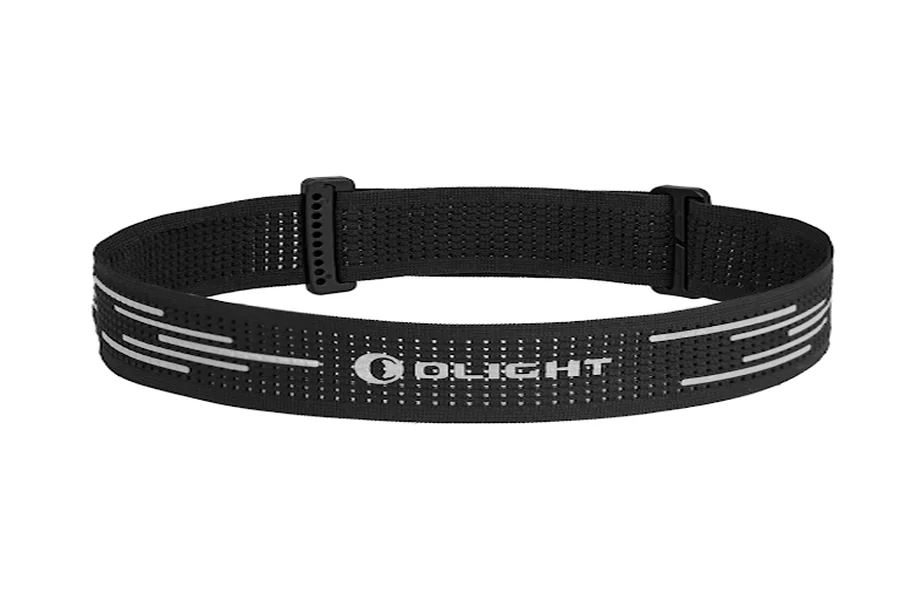
When comparing a headlamp, focus on fit, ease of operation, available light modes, battery information, and suitability for your intended activities. The Perun X is another option to consider when evaluating hands-free lights for outdoor tasks. Check the manufacturer’s product details to confirm which features match your needs, and avoid assuming that every model has the same battery performance or cold-weather rating. Choose equipment that supports your routine rather than relying on unverified specifications.
The Full Pre-Dawn Gear List
Preparing your lighting gear alongside the rest of your equipment helps prevent small problems from interrupting the trip. Check the main light, inspect the strap, confirm the battery level, and make sure you know how to change modes while wearing gloves. Pack a backup light separately so that you can find it if the primary light fails. If your setup includes rechargeable equipment, bring only compatible charging accessories and follow the manufacturer’s guidance for use in cold environments.
Use this checklist before heading out:
- Primary light: Check the battery and confirm that the strap fits over your winter headwear.
- Backup light: Pack a separate working light with enough power for the planned outing.
- Gloves: Test the controls while wearing your actual fishing gloves.
- Lighting modes: Confirm which settings provide suitable close-up illumination and which offer a wider view.
- Safety equipment: Bring appropriate ice picks, flotation equipment, and other gear recommended for the conditions.
- Ice assessment: Check current local guidance and use proper ice-safety practices; do not rely on appearance or lighting.
- Route and communication: Tell someone your plan, check the forecast, and carry a charged phone protected from the cold.
A dependable pre-dawn lighting setup should make everyday tasks easier without distracting you from the conditions around you. Use white light when detailed visibility matters, consider red light for suitable close-up tasks, protect your battery from unnecessary cold exposure, and test your controls before leaving home. Most importantly, treat lighting as one part of preparation—not as a substitute for checking ice conditions, carrying safety equipment, and making conservative decisions about where and when to fish.