Three tacos at stop one is the mistake that kills a taco crawl. I’ve watched a dozen friends make it, and every one of them was done by the second neighborhood. A taco crawl only works if you treat it like a pub crawl with better food: small orders, real walking between stops, and a route that follows geography instead of a list of random spots.
So here’s the plan you came for. You’ll pick one corridor, cap yourself at two tacos per stop, and let the walk between neighborhoods do the appetite management. If you want a starting point with more than one location to work with, City Tacos San Diego spreads across North Park, La Mesa, Encinitas, Sorrento Valley, Pacific Beach, and Ocean Beach, which makes it a useful anchor for figuring out how a crawl can flow. City Tacos San Diego gets referenced twice more below, but the crawl logic works with any taqueria you like.
Why Most Taco Crawls Fall Apart by Stop Two
The failure mode is almost never bad food. It’s ordering. A carne asada taco is dense, and four of them plus a round of chips lands you in a food coma before you’ve crossed the street. The other killer is distance: people build a crawl from a social media list and end up driving twenty minutes between stops, which resets nothing and wastes the day.
The rule I use: two tacos, one water, keep walking. That’s the whole pacing system. You get to hit six or seven spots instead of three, and you actually taste all of them. If a place is doing something you’ll regret missing, order the single best thing on the menu and split it. Nobody at your table will complain.
Pick a Corridor, Not a List
San Diego rewards you for thinking in corridors. The city’s neighborhoods sit close enough together that a good crawl is mostly a walking day, which means you need to choose where the walking happens before you pick where the eating happens. You can get a feel for the geography and how the communities connect through the City of San Diego site before you commit.
Route A: North Park to Ocean Beach
Start inland where the density is highest. North Park is the walking neighborhood, blocks of small storefronts with real foot traffic, and it’s the natural first stop because you arrive hungry and leave on foot. Then work west toward the beach. Ocean Beach gives you a very different rhythm: sand, sunset, and a looser crowd to finish the day with. This is the all-day version, roughly six hours if you’re honest about it, and it’s the one I’d pick for a first crawl.
Route B: Pacific Beach to La Mesa
Flip the order for a shorter, earlier crawl. Pacific Beach puts you near the water, and starting at the beach means you eat your heaviest stop before the afternoon heat shows up. La Mesa is the inland finish, and it works well as a late lunch endpoint when you want the crawl to land somewhere with parking that doesn’t make you want to cry. Drive this one, walk the neighborhoods individually.
The Stop-by-Stop Framework
I call it the four-stop spine, and it’s the part of the plan you can actually follow on the day. Four stops with clear jobs, then you improvise if you still have room.
- Stop one, the warmup. One taco, no rice, no beans. Something light like fish or a veggie option. Get in, eat standing, get out.
- Stop two, the anchor. This is your real meal. Two tacos, order the house specialty, sit down for twenty minutes.
- Stop three, the reset. Walk at least fifteen minutes first. Order a single taco and a drink, and use this stop to decide whether stop four happens.
- Stop four, the closer. Whatever sounds best in the moment. If you’re full, skip it and get a horchata instead. That counts.
Two things the spine does that a restaurant list can’t. It forces walking between every stop, and it puts a decision point at stop three so you’re not committed to a schedule that stopped making sense an hour ago. San Diego County runs a serious food scene, and the County of San Diego keeps food establishment resources public, so you can look up a place before you commit if you’re the type who checks.
What to Order at Each Kind of Taqueria
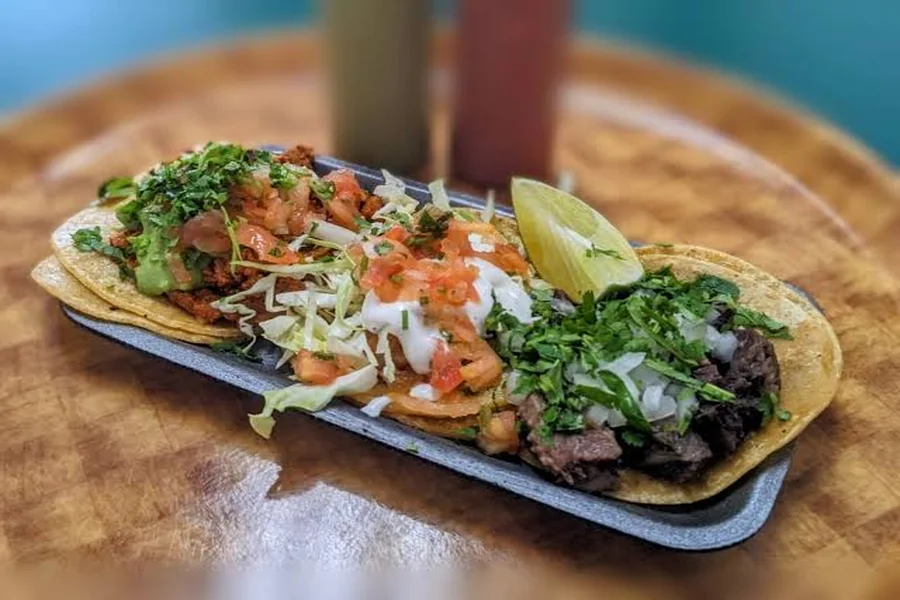
The tacos you order should change with the stop, and this is where most people leave value on the table. At a traditional spot, order the carne asada or the al pastor and nothing else. That’s the test of the kitchen. At a place doing homestyle or “casero” styles, go for the braised or pulled meat with a sauce you can’t identify by name, because that’s usually the dish the cook actually cares about.
At a seafood-forward taqueria, skip the chicken entirely. Mahi mahi or a shrimp taco is the point of the visit. And if a place has a genuine vegan option on the menu rather than a sad afterthought, order it at stop one when your palate is still awake.
The Practical Checklist
Before you leave, settle five things. Your corridor and direction. Your stop count, capped at four. A backup stop near the third one in case something is closed. Cash, because small taquerias still run on it. And a designated walker, meaning nobody drives until the crawl is done. Taco crawls and parking garages don’t mix well.
One more: check hours the morning of. Neighborhood taquerias keep neighborhood hours, and a spot that’s famous on the internet can still be closed on a Tuesday afternoon. The National Park Service reminds visitors to plan ahead for changing conditions at outdoor destinations, and the same logic applies to beach-adjacent crawls, where a cloudy afternoon changes how long you’ll want to stay outside.
Bring the Right People
A crawl lives or dies on the group. You want three to five people, and you want at least one person who will split an order and one person who has opinions about hot sauce. Six is too many, because you’ll wait for a table at every stop and the walking rhythm dies.
Nobody in the group should be a “we have to try this place” completer. That person turns a crawl into a checklist and everyone’s miserable by stop three. The whole appeal is room to change your mind.
Make It a Day, Not a Checklist
Start at the first stop by mid-morning, finish before the light goes. Use the walking time to talk to the people you brought, because the tacos are the structure and not the whole event. And keep one spot in reserve for your next trip, because a crawl with nothing left to discover is just a lunch.
Your next free Saturday is the only thing missing. Pick a corridor, text three friends, and hit the first taco stand by ten. Which route are you starting with, the beach finish or the inland one?