
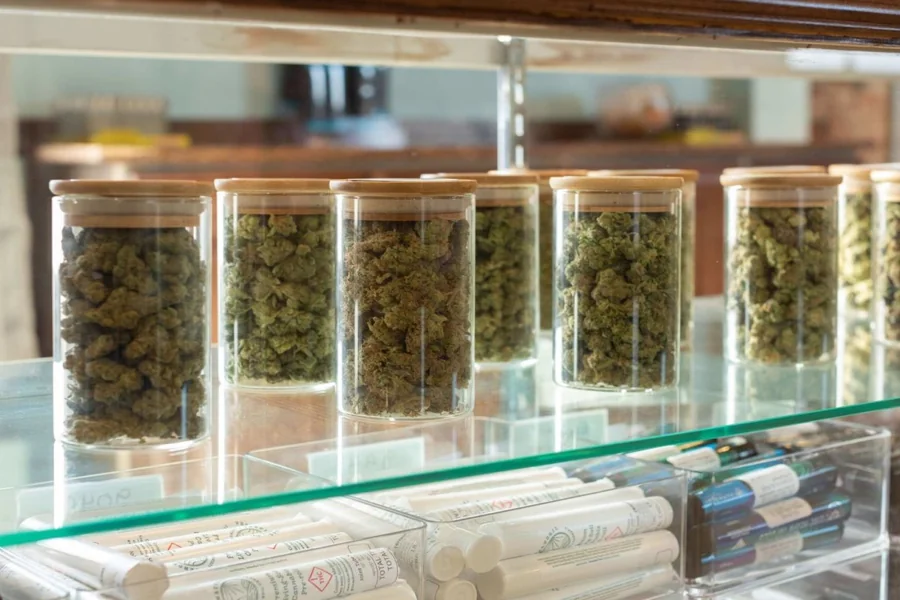
Most people walk into a dispensary, freeze at a wall of 300 products, and buy the thing with the prettiest label. I did exactly that my first year in Denver. The budtender was patient, the flower was fine, and I spent about forty dollars more than I needed to.
The menu is the whole game. Read it right and you walk out with the right product at a fair price. Read it wrong and you pay a premium for packaging. Anyone shopping along the Front Range has probably scrolled a store page on their phone in the parking lot, and a place like Green Sativa Dispensary makes that scroll easy because the categories and pricing sit right on the page. Here is the method I use now, refined over years of Saturday errands and a lot of trial and error.
Start with the three numbers on every listing
Every product line gives you potency, weight, and out the door price. Potency lives in the THC percentage for flower and in milligrams for edibles. Weight is grams for flower, single units for vapes, and milligrams per package for edibles. Price is where people get sloppy.
Colorado lists both the pre-tax shelf price and the taxed total, and the gap between them surprises visitors every time. The state layers excise and sales taxes on recreational cannabis, so a fifteen dollar eighth can ring up noticeably higher at the register. Medical cardholders pay a lighter load. Budget from the tax-included number and you will never do that awkward wallet math at the counter.
Scan all three columns before you get attached to anything. A ten dollar gram at 18 percent THC often beats a twenty dollar gram at 26 percent. You are buying an effect, not a bragging right.
What is the difference between tiers on a dispensary menu?
Tiers are how stores sort quality and price, and the labels are never standardized. One shop calls its top flower “reserve,” another says “premium,” a third just prices it higher. What actually separates a tier is the grow: humidity control, harvest timing, cure length, and how recently the batch was packaged.
My rule is simple. Buy mid-tier flower and spend the savings on a better vape or a concentrate you actually want. Top tier makes sense for a special occasion or a strain you have been chasing. Entry tier is fine for rolling a big joint with friends. The middle shelf is where the value hides, and it is where I would put your money nine times out of ten.
Look for a packaging date on the label. Fresh flower smells like citrus or pine when you crack the jar. Flower that has sat for months smells like hay no matter what the tier says.
A local’s five-minute menu routine
- Filter by category first, flower, vape, concentrate, edible, or topical, so you stop scrolling past things you will never buy.
- Sort by price within your category and note the range, not the average.
- Check potency against that price and flag anything that looks too cheap or too expensive.
- Read the short brand note under two or three listings and pick based on how the product was made.
- Screenshot your top two and ask the budtender which batch is fresher.
That last step matters more than any review site. Budtenders know what moved this week. Ask them directly and you will get an honest answer about what is sitting on the shelf.
Vapes, concentrates, and edibles read differently
Vape cartridges get judged by what is in them, not just the potency. Clean carts use distillate or live resin with cannabis-derived terpenes. Cheap ones cut the oil with additives to stretch volume. Colorado requires testing through licensed labs, and the state health department publishes the testing standards that every product has to clear before it hits a shelf, so the Colorado Department of Public Health and Environment is your reference if a label claim sounds invented.
Concentrates split into wax, shatter, live sauce, and a dozen names in between. Live products get made from plants frozen right after harvest, which keeps more of the aroma compounds intact. They cost more and they are worth it if you care about flavor. Shatter is the budget workhorse. Buy a gram of shatter before you buy a gram of live sauce and learn what your palate actually prefers.
Edibles are the one category where patience wins. Effects take a while to arrive, so a low-dose gummy and a twenty minute wait beats a high-dose square and a bad hour. Start low, wait, and adjust. Every budtender will tell you the same thing because they have watched people ignore it.
Why the store itself changes your menu
Two shops can list the same brand at wildly different prices. Volume drives that gap. A store moving a lot of flower can price aggressively, while a smaller shop marks up to cover overhead. This is also why house-grown flower tends to cost less than the same quality from a big name brand.
Cannabis retail in the United States is a state-licensed system, and Colorado’s regulated market has been running since 2012 under rules set by the state’s cannabis enforcement division. That means the menu you are reading reflects a supply chain that got tested, taxed, and tracked. The California Department of Tax and Fee Administration maintains a useful public explainer on how cannabis excise taxes work in a regulated state, and the mechanics look similar across legal markets. Understanding the tax layer helps you compare a Colorado menu to anything you saw in another state.
A store with a strong in-house grow will eventually undercut its neighbors on flower. Watch the price per gram on house brands and you can often spot that shift before the store advertises it.
The mistakes I made so you do not have to
I once bought a quarter of the cheapest flower on the menu and spent a week wondering why it tasted like cardboard. Cheap is fine when it is a house strain with a fresh date. Cheap plus dusty packaging is a warning. I also chased high THC numbers for months before realizing that a 19 percent strain with a terpene profile I liked did more for me than a 30 percent lab monster. Numbers are a guide, not a grade.
The other trap is loyalty to a single store. Menus rotate weekly, and the brand you love might be cheaper two miles away this month. Most Denver area shops publish current stock online, so a quick check costs you nothing and saves real money.
Finally, treat the deals page as a starting point, not the finish line. Promotions often move older inventory. Ask what the deal is built on before you commit.
Keeping your data clean while you shop
Order ahead when you can. Online menus update quickly, and placing a pickup order locks the price you saw. Bring a state ID, leave the car running if you are quick, and keep your receipt until you have tried the product. If something tastes off, most shops will make it right when you show the batch number. That is the last piece of the routine: verify after you buy, because a good menu visit ends with you knowing exactly what you will ask for next time.
What is the one product you keep rebuying no matter which store you visit? Build your next trip around that answer and the menu stops being intimidating.