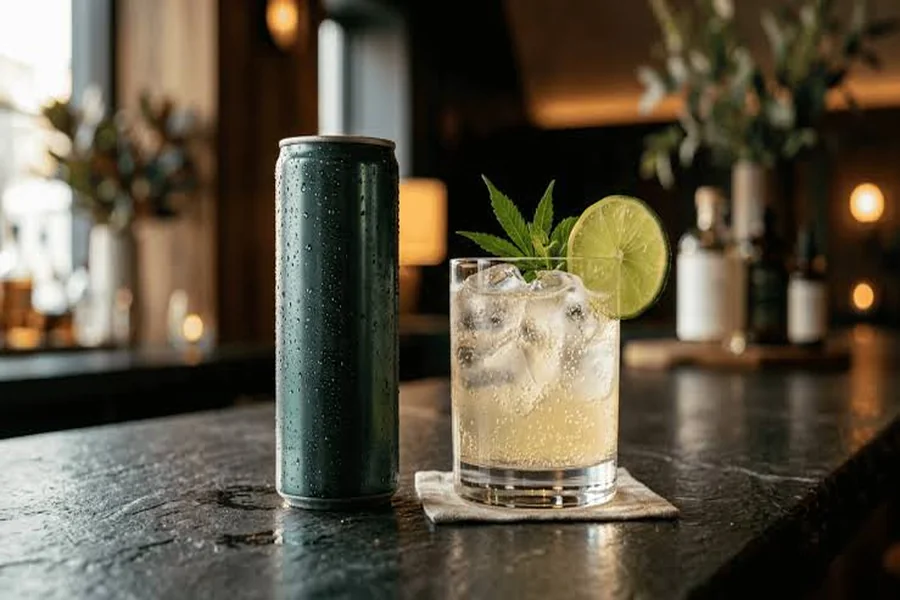
Six cans, four friends, and one bad seating chart. That was my first seltzer tasting, and it fizzled for a dumb reason: I lined the cans up by brand instead of by mood. Half the table went quiet after the first round. So I rebuilt the whole thing around a simple flight structure, and the second party ran forty minutes longer because nobody wanted to leave the table.
You can copy that structure tonight. Below you’ll find the build order, the pour rules, a shopping plan that works if you live in Northern Kentucky, and a checklist you can hand to whoever shows up early. If you’re stocking up within driving distance of the river, THC seltzers near Northern Kentucky are easy to source once you know what a flight actually needs.
One thing before we start. These drinks contain a psychoactive ingredient, so the adult-only rule isn’t a legal footnote you skim past. It’s the frame the whole party hangs on.
What is a seltzer flight, really?
A flight is a short, ordered lineup where each pour teaches you something the next pour builds on. Wine people do it because contrast makes flavor readable. The same logic works here, but the variables are different. You’re not chasing tannins. You’re mapping sweetness, carbonation, and how much of the can you actually want to finish.
My take: four pours is the ceiling for a casual backyard crowd. Five turns into homework. Three feels stingy if you invited people who cleared their Saturday. Four gives you a clean arc, from light and dry at the start to bold at the end, with one curveball nobody expects.
Keep the pours small. Two ounces each is plenty when you’re pouring four. Use small cups, the kind you’d serve espresso in, not pint glasses. People pace themselves when the glass looks modest, and the whole table stays conversational instead of foggy.
Build the flight in this order
Here’s the sequence I use, and I’d argue it beats laying cans out alphabetically every single time.
- The opener. Lightest body, lowest dose, brightest finish. Something citrusy and crisp. This wakes up the palate.
- The middle pour. A touch sweeter, maybe a berry or stone fruit note. This is where guests start comparing notes out loud.
- The curveball. A flavor nobody at the table would pick on their own. Herbal, tea-like, or floral. Half the table will love it, and that split is the point.
- The closer. Richer, fuller, slower. This is the can people nurse while the grill cools down.
Write the order on a card and stand it next to the lineup. Sounds fussy. It saves you from repeating the same four explanations while your burgers burn.
How do you pour and serve without babysitting the table?
Set the flight up as a station, not a service. Put the cans, cups, a pitcher of water, and a bowl of plain crackers on one table and walk away. Guests pour on their own schedule, and you get to host instead of bartend.
Chill everything hard first. Warm seltzer goes flat and foamy in the cup, which ruins round three. A cooler with ice and a little water holds temperature better than a fridge door that keeps opening. Keep the cans upright, and don’t shake them. I learned that one the loud way.
The single most useful thing on the table is water. Not as a chaser, as a pacing tool. Guests who alternate between seltzer and water stay sharp, stay longer, and actually remember your playlist. Make the water obvious: a big labeled pitcher, cups stacked beside it, ice in a bucket. If it’s easy to reach, people reach for it.
Shopping and planning: the part that trips people up
You can’t buy these the way you buy beer. The rules depend on your state, and packaging and labeling claims for beverages get watched closely by the Federal Trade Commission, which means you should read the label before you assume what’s inside. Check the dose per can, not per serving. Some cans hold two or three servings, and a guest who drinks the whole thing just had a very different evening than the one they planned.
For anyone in the Cincinnati metro, the practical move is to buy local and buy early. Pick a shop across the river, check what’s in stock before you drive, and confirm the store’s hours. Buying the week before beats a Friday afternoon scramble. It also gives you time to taste one can yourself so you know what you’re serving. That’s not cheating. It’s research.
Serve only people of legal drinking age, and check identification the way a bar would. The Alcohol and Tobacco Tax and Trade Bureau exists because age rules for intoxicating products are enforced seriously, and hosting at home doesn’t change that expectation. No exceptions for cousins.
Invite the right crowd and set the tone
Tell your guests what the party is before they arrive. “Backyard seltzer tasting, four small pours, food at six” is a complete invitation. People plan their night around that. Vague invites get vague attendance.
Food matters more than you think. Skip the heavy platters that put everyone on the couch. Go for salty, crunchy, shareable: pretzels, popcorn, cut fruit, chips and salsa. Guests who eat steadily pace their pours naturally, and nobody needs a lecture about moderation if the snack table is doing the work.
Have a plan for the ride home. Designate drivers before the first can gets opened, or book rides early. The National Highway Traffic Safety Administration tracks impaired-driving crashes for a reason, and a host who arranges rides in advance is a host whose party people actually want to come back to.
The five-minute host checklist
- Four styles picked, in order, written on a card.
- Cans chilled hard in an ice cooler.
- Small cups counted, plus a few spares.
- Water pitcher, cups, and ice within arm’s reach.
- Snacks out before the first pour.
- Rides settled with everyone who’s drinking.
- A quiet corner for anyone who wants to sit one round out.
Run that list the morning of, and the party runs itself.
Two mistakes worth avoiding
The first is treating this like a beer pong night. Small pours, slow rounds, good food. The second is buying one brand and calling it a flight. Variety is the entire reason guests stay at the table comparing notes instead of drifting toward the speakers.
Build the flight around contrast, keep the pours small, make water the loudest thing on the table, and give guests a reason to sit down together. Four cans and a card is a low bar that turns a regular Saturday into the one your friends text you about in September.
What’s going on your card for round one: citrus, berry, or the curveball?