Social drinking habits are changing as consumers explore more beverage choices for gatherings, celebrations, and everyday occasions. Traditional alcoholic beverages continue to feature in many social settings, but they are no longer the only refreshments considered when planning a gathering. The non- alcoholic Kava Drinks are becoming part of this evolving beverage landscape, attracting interest from consumers who want to explore alternatives to familiar refreshments.
The Evolution Of Modern Social Drinking
Moving beyond conventional alcoholic beverages
For decades, alcoholic beverages have occupied a prominent position at social gatherings. Cocktails, wine, and beer have traditionally been associated with celebrations, dinner parties, and informal get-togethers. However, contemporary beverage preferences are creating opportunities for a wider selection.
The growing interest in non-alcoholic Kava drinks reflects this shift. Rather than simply replacing traditional alcoholic beverages, Kava-based options introduce a distinct category that consumers can explore on its own. They also give hosts another option when planning refreshments for different occasions.
Accommodating different beverage preferences
Every social gathering brings together people with different tastes. Some guests may prefer traditional cocktails, while others enjoy juices, sparkling refreshments, or prepared non-alcoholic beverages.
A varied drink menu makes it easier to accommodate these differences. Including non-alcoholic Kava drinks alongside familiar refreshments gives guests who want to try something different another option.
Understanding The Appeal Of Non-Alcoholic Kava Drinks
Traditional Kava culture in contemporary beverage settings
Kava has long been culturally associated with communal gatherings in Pacific Island communities. Traditionally prepared from the root of the Piper methysticum plant, it has been part of established social and ceremonial practices.
Modern brands have introduced different Kava beverage formats, including prepared and packaged options. These developments have made non-alcoholic Kava drinks more visible within contemporary beverage selections, connecting a traditional ingredient with modern consumer preferences.
Exploring alternatives to familiar refreshments
Lemonade, iced tea, sparkling water, and fruit-based drinks remain familiar choices for social occasions. However, consumers who enjoy discovering new beverages may want to explore options beyond these established categories.
Adding non-alcoholic Kava drinks to a social menu can introduce an unfamiliar category to guests interested in exploring different options. This also gives hosts a chance to create more varied menus instead of repeating the same refreshments at every gathering.
How Kava Drinks Fit Into Modern Social Occasions
Casual gatherings and informal celebrations
Casual gatherings often call for refreshments that are straightforward to organize and serve. Weekend visits, small house parties, and informal celebrations may not require elaborate beverage arrangements, but offering variety can make the occasion more welcoming.
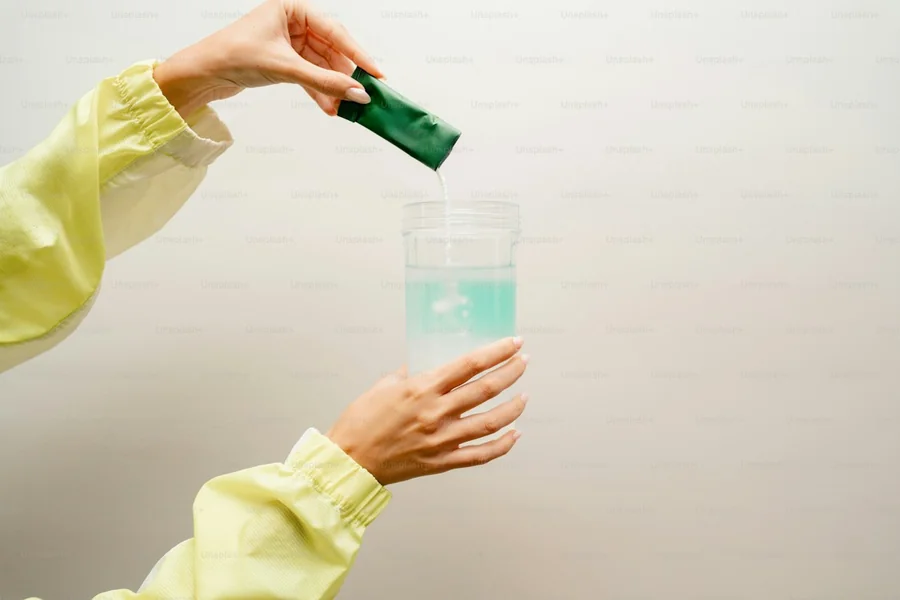
Hosts can include non-alcoholic Kava drinks alongside juices, sparkling refreshments, iced teas, and mocktails. Prepared beverage formats can simplify serving arrangements, provided the manufacturer’s instructions are followed.
Dinner parties and special occasions
Dinner parties, birthdays, anniversaries, and other special occasions often involve more detailed beverage planning. Hosts may coordinate refreshments with the food menu, table arrangements, and overall atmosphere.
Non-alcoholic Kava drinks can be included as part of a wider selection for guests who want to explore alternatives to conventional soft drinks. Their presentation can be adapted to the occasion through suitable glassware and organized serving arrangements.
Presentation And Serving Flexibility
Giving non-alcoholic beverages equal attention
One noticeable change in contemporary social drinking is the way non-alcoholic beverages are presented. Rather than treating them as secondary alternatives, many hosts now give them a defined place within the main drink menu.
The same approach can be applied to non-alcoholic Kava drinks. They can be displayed alongside other refreshments, with suitable glassware and clear product descriptions. This makes them an intentional part of the gathering and allows guests to explore the available selection.
Exploring creative serving arrangements
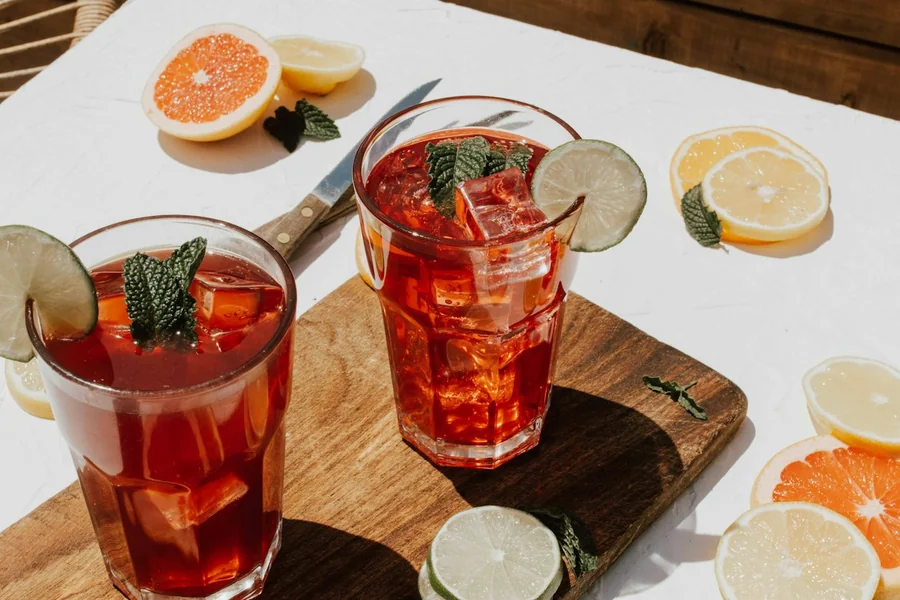
Beverage presentation can contribute to the atmosphere of a social occasion. Chilled glasses, coordinated garnishes, and attractive serving stations can make refreshments more visually appealing.
Depending on the specific formulation, non-alcoholic Kava drinks may also fit into mocktail-inspired presentations. Any additional ingredients should suit the beverage, and the manufacturer’s preparation and serving recommendations should take priority.
What Influences Consumer Interest In Kava Beverages?
Greater interest in beverage discovery
Consumers are increasingly exposed to different beverage categories through restaurants, specialty retailers, online brands, and contemporary hospitality settings.
This exposure encourages people to explore ingredients, cultural backgrounds, and formats beyond familiar refreshments. Non-alcoholic Kava drinks fit into this expanding landscape by combining a traditional ingredient with contemporary beverage presentations.
Convenience and online availability
Convenience is another important consideration when selecting beverages for social occasions. Consumers often prefer options that are straightforward to compare, purchase, store, and serve.
Online platforms make it easier to explore different Kava beverage brands and examine their available offerings. Product descriptions, packaging information, ingredients, and serving instructions help consumers compare non-alcoholic Kava drinks before deciding what to buy.
The Future Of Non-Alcoholic Options In Social Drinking
Expanding beverage choices at modern gatherings
The growing presence of non-alcoholic alternatives is encouraging a more varied approach to social beverage planning. Consumers are exploring different ingredients, modern drink formats, and refreshments that offer more than conventional selections.
Non-alcoholic Kava drinks can contribute to this expanding category by offering a distinctive option for people interested in modern alternatives.

Making beverage variety a lasting part of social culture
As social preferences continue to evolve, variety will likely remain an important consideration when organizing gatherings. Hosts are increasingly recognizing the value of offering refreshments that accommodate different tastes and expectations.
Including non-alcoholic Kava drinks alongside mocktails, sparkling beverages, and other refreshments reflects this changing approach.
Final Words
Changing social drinking habits reflect a growing interest in beverage variety, flexible menus, and more inclusive gatherings. Although traditional alcoholic drinks remain part of many social occasions, consumers and hosts are increasingly exploring alternatives that offer distinctive formats and different beverage experiences. Non-alcoholic Kava drinks have an interesting place within this evolving landscape. Their traditional cultural background, contemporary availability, and distinctive presentation make them another option for modern social menus.
About The Author
Palmina Thomson is an experienced SEO strategist, editor, and niche researcher with over 20 years of expertise in creating engaging, search-optimized content for online brands. She specializes in topical authority, keyword strategy, editorial research, and compliance-aware writing for specialized markets. Her work combines thoughtful research with clear storytelling to develop informative, reader-friendly content that strengthens brand visibility and supports meaningful audience engagement.