There are days when getting through the morning feels like a workout on its own. Another cup of coffee might help for a while, but it does not always shake off that tired feeling. That has led some people to try cold exposure as a way to feel more awake and refreshed. Whether it is cryotherapy in Charlotte, NC, or an old-fashioned ice bath, the idea is to give the body a brief encounter with cold and see how it responds. Both treatments have their fans, but they are not quite as interchangeable as they might seem.
Why Does Cold Exposure Wake You Up?
Think about the last time you stepped into a cold shower without expecting it. Your first reaction probably was not to relax. You may have taken a sharp breath, tensed your shoulders, or felt your heart beating a little faster. That immediate reaction is part of how the body responds to cold, and it explains why some people feel wide awake after a short exposure.
Cold temperatures activate the body's stress response. Breathing and heart rate can change, while chemicals involved in alertness, including norepinephrine, may increase. This is one reason cold exposure can leave people feeling more switched on immediately afterward. It is worth remembering, though, that feeling alert for a while is not the same as having more energy throughout the day.
A Closer Look at Cryotherapy
Cryotherapy might sound complicated, but the basic idea is fairly simple. You spend a short amount of time in a specially designed chamber where very cold air surrounds your body. Depending on the equipment, the treatment may involve a few minutes of exposure rather than the longer periods associated with some cold-water routines.
For people who dislike sitting in freezing water, this can be a more appealing option. There is no tub to climb into, and you do not have to deal with wet clothes or towels afterward. The session is brief, which makes it easier to fit into a busy day.
People visit cryotherapy facilities for different reasons. Some hope to feel refreshed, while others are interested in possible relief from post-workout soreness. You may hear plenty of impressive claims about what these treatments can do, but research has not confirmed all of them. It is best to view cryotherapy as an optional wellness treatment rather than a guaranteed solution for fatigue or muscle recovery.
What Makes Ice Baths Different?
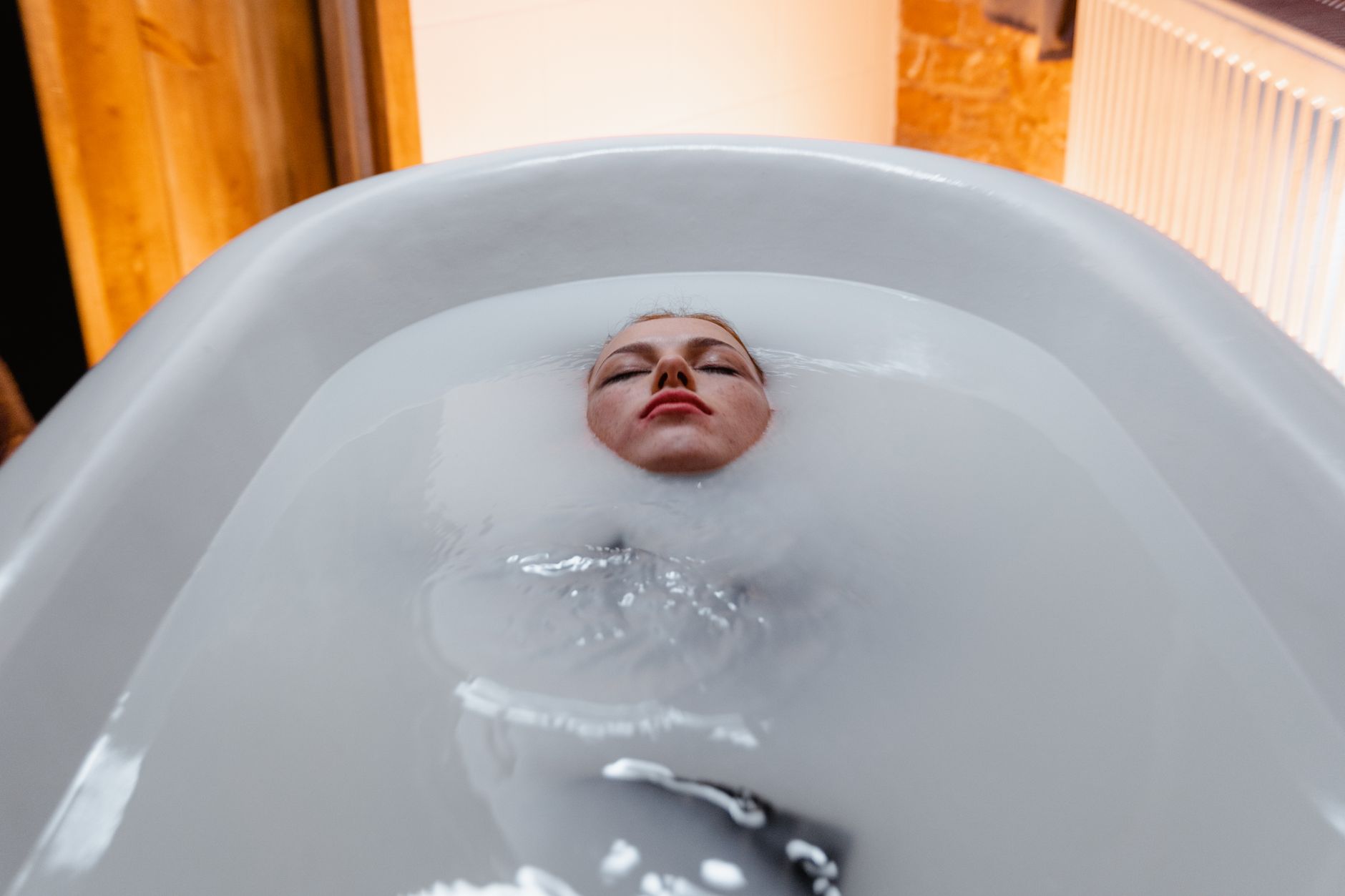
Ice baths have been around in athletic circles for years. You have probably seen athletes sitting in tubs of cold water after a competition or particularly demanding training session. Unlike cryotherapy, this method puts the body directly in contact with cold water, making the experience much more noticeable.
Water pulls heat away from the body faster than air does. That is why an ice bath can feel surprisingly intense, even when you have only been sitting in it for a short time. Beginners may find the first few moments especially uncomfortable, and there is no need to force a long session just to prove you can handle it.
Cold-water immersion is often used to manage muscle soreness after strenuous exercise. Some athletes find it helpful when they need to feel ready for another demanding session. However, frequent ice baths immediately after strength training may interfere with the muscle adaptations that come from resistance exercise. So, while they have a place in some recovery routines, they are not automatically beneficial after every workout.
Which Treatment Is Better for an Energy Boost?
This is where personal preference matters. Neither cryotherapy nor ice baths have been established as a reliable way to increase energy over the long term. Both can produce an immediate feeling of alertness, but that response does not necessarily last.
Cryotherapy may appeal to someone who wants a quick treatment without getting into cold water. Ice baths may be a better fit for people who already enjoy cold-water routines or have access to suitable equipment. The experience is quite different, so choosing one often comes down to what you are comfortable trying.
There is also the question of convenience. An ice bath can sometimes be prepared at home, although maintaining a safe temperature takes some attention. Cryotherapy requires a visit to a facility with the appropriate equipment and trained staff. Neither option should feel like another stressful task on your schedule.
Where Cold Therapy Fits Into Your Routine
It is easy to get caught up in the latest wellness trend, especially when people describe feeling fantastic after a treatment. Still, cold exposure should not take priority over the basics. If you are regularly tired, getting enough sleep, eating properly, drinking water, and moving throughout the day are better places to start.
For anyone considering wellness spa services, it makes sense to ask a few questions before trying something new. Find out the following:
- how the treatment works
- how long the procedure will take
- who operates the equipment
- what safety measures are in place
Cold exposure is not suitable for everyone, particularly people with certain heart conditions, circulation problems, or uncontrolled blood pressure. Checking with a healthcare professional beforehand is a must. It’s a sensible step if you have any medical concerns.
You should also be realistic about what you want from the experience. A few minutes of cold exposure might leave you feeling refreshed, but it will not undo several nights of poor sleep. Pay attention to your body's response and stop if you feel unwell or experience unusual discomfort.
Final Word
Cryotherapy and ice baths both offer an intense encounter with cold, but the way they deliver it makes each experience different. One gives you a brief session in a cold-air chamber, while the other involves direct contact with chilly water. If you are curious about cryotherapy in Charlotte, NC, it may be worth exploring as a professionally guided option that fits your preferences. Just do not expect either treatment to replace the everyday habits that help you feel rested and energized.