
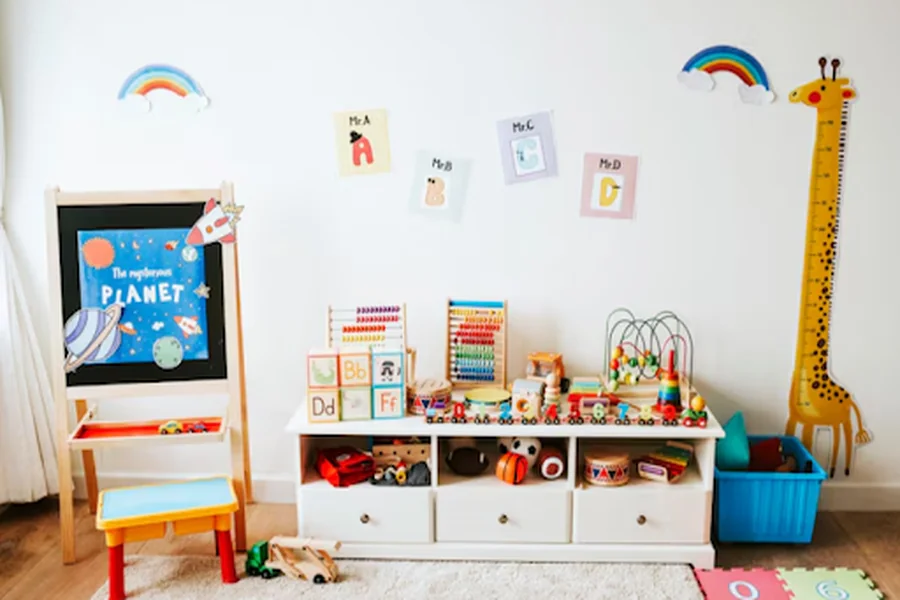
The preschool years are an important stage in a child’s development. During this time, children begin discovering their interests, building relationships, developing communication skills, and learning how to understand the world around them. A positive early learning experience can help establish a strong foundation for their future education. In Woodlands, Singapore, families have access to early childhood education options such as Little Footprints Preschool Woodlands Block 316 Preschool, Nursery & Kindergarten, where young learners can develop through a combination of structured lessons, guided activities, and play.
Choosing the right preschool involves more than looking at its facilities or academic programme. Parents also need to consider the teaching approach, classroom environment, educator experience, and the opportunities children have to grow socially and emotionally. A well-rounded preschool experience should help children feel safe, develop confidence, and become more comfortable exploring new ideas.
Why Early Childhood Education Matters
Early childhood education plays a significant role in preparing children for the years ahead. During their preschool years, children develop essential abilities that influence how they communicate, solve problems, interact with others, and approach new experiences. These skills are not built through formal lessons alone. Everyday activities, conversations, games, and interactions with teachers and classmates all contribute to their development.
A supportive preschool environment introduces children to early literacy, numeracy, creative thinking, and basic problem-solving in ways that match their age and abilities. For example, storytelling can help improve listening and language skills, while counting games introduce simple mathematical concepts. Activities involving drawing, building, and exploring different materials can also strengthen coordination and encourage curiosity.
These experiences help children become more comfortable with learning before they enter primary school. Instead of focusing only on academic performance, quality early education encourages a positive attitude towards discovering and understanding new things.
Creating an Engaging and Inclusive Learning Environment
Children learn in different ways, which is why a flexible and welcoming classroom environment is important. Woodlands preschools provide opportunities for young learners to participate in activities that involve movement, creativity, communication, and exploration. A balanced approach allows children to learn through both teacher-guided instruction and independent discovery.
Play-based learning is particularly valuable during the early years. Through pretend play, building activities, puzzles, and group games, children can practise skills without feeling pressured to achieve a particular result. These experiences encourage them to ask questions, test ideas, and develop their understanding through observation.
An inclusive learning environment also recognises that every child has different interests, abilities, and developmental needs. Teachers can adjust activities to provide additional guidance where necessary while giving more independent opportunities to children who are ready for greater challenges. This helps create a classroom where children feel encouraged rather than compared with one another.
Modern Teaching Approaches That Encourage Curiosity
Early childhood education continues to develop as educators explore teaching methods that place children at the centre of the learning process. Approaches influenced by Montessori and Reggio Emilia, for example, encourage exploration, creativity, independence, and active participation.
In these learning environments, teachers do more than deliver information. They observe children’s interests, introduce meaningful activities, and guide them towards discovering answers. A child who becomes interested in plants might be encouraged to observe how seeds grow, draw what they notice, or discuss what plants need to survive. This connects learning with real experiences and makes lessons more engaging.
These methods also encourage children to think independently. Rather than always receiving direct answers, they are given opportunities to explore possibilities, explain their ideas, and learn from mistakes. Developing this habit early can help them become more confident when facing unfamiliar tasks.
Supporting Each Child’s Individual Development
Every child develops at a different pace. Some may become comfortable speaking in groups quickly, while others may need more time before sharing their thoughts. Some children may show a strong interest in numbers, while others are more engaged by music, art, or physical activities.
A child-centred preschool recognises these differences and provides opportunities for individual growth. Teachers observe how children respond to activities and identify areas where additional support or encouragement may be helpful. This can involve adjusting classroom tasks, offering more practice, or introducing activities that build on a child’s interests.
Regular communication between teachers and parents can also help create a clearer picture of a child’s progress. When both sides understand the child’s strengths and challenges, they can work together to provide consistent support at school and at home.
Using Technology in Age-Appropriate Ways
Technology is becoming a more familiar part of everyday life, and some preschools incorporate digital tools into their learning activities. Interactive displays, educational applications, and digital storytelling can introduce concepts through sounds, images, and simple activities that capture children’s attention.
However, technology should support learning rather than replace important hands-on experiences. Young children still need opportunities to move, communicate face-to-face, handle physical materials, and explore their surroundings. Digital activities are most useful when they are age-appropriate, purposeful, and guided by educators.
A balanced approach can introduce basic digital awareness while ensuring that children continue developing essential social, physical, and creative skills. Parents may also want to understand how a preschool manages screen time and selects educational content.
The Importance of Parental Involvement
A child’s learning does not stop when the school day ends. Parents play an important role in reinforcing the skills and values introduced in the classroom. When families remain involved in their child’s preschool experience, children can benefit from a more consistent learning environment.
Preschools can encourage parental involvement through regular updates, parent-teacher discussions, school events, and activities that allow families to participate in the learning community. These opportunities help parents understand what their children are learning and how they are adjusting to the classroom.
Simple activities at home can also support preschool learning. Reading together, talking about daily experiences, helping with basic household tasks, and playing creative games can strengthen communication and independence. A positive relationship between parents and educators makes it easier to identify concerns and celebrate developmental progress.
Encouraging Physical Health and Creative Expression
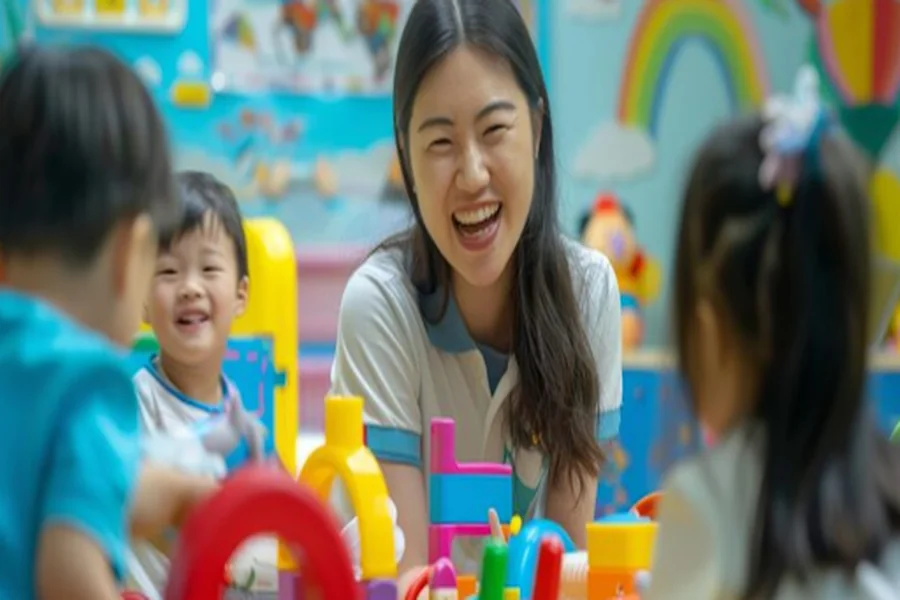
Physical activity is another important part of early childhood development. Running, jumping, climbing, and playing outdoors help children develop coordination, balance, strength, and body awareness. Active play also gives them opportunities to interact with classmates and learn how to follow simple rules.
Creative activities provide a different kind of developmental experience. Music, drawing, painting, dancing, and imaginative play allow children to express their thoughts and emotions in different ways. These activities can encourage confidence while helping them discover personal interests.
Extracurricular experiences may introduce children to new skills and interests beyond their regular classroom activities. The availability of specific programmes varies between preschools, so parents should review each school’s offerings to understand which activities are included.
Building Social Skills and Emotional Confidence
Learning how to interact with other children is one of the most valuable parts of attending preschool. In a classroom setting, children gradually learn to share resources, take turns, listen to different opinions, and participate in group activities. These everyday experiences help them understand cooperation and develop positive relationships.
Emotional development is equally important. Young children may experience frustration, excitement, disappointment, or anxiety as they encounter new situations. Caring educators can help them recognise these feelings and practise appropriate ways to express themselves.
A safe and supportive environment allows children to become more comfortable asking for help, trying unfamiliar activities, and recovering from small setbacks. These experiences contribute to emotional resilience and confidence, which remain useful throughout their education.
Preparing for a Smooth Transition to Primary School
A good preschool experience helps children become familiar with the routines and expectations they will encounter in primary school. Early literacy, basic numeracy, listening skills, and classroom participation all contribute to this preparation.
However, school readiness involves more than recognising letters or counting numbers. Children also benefit from learning how to follow instructions, manage simple responsibilities, communicate their needs, and work alongside others. Developing these abilities can make the transition to a more structured learning environment less overwhelming.
Teachers can support this process by gradually introducing activities that encourage concentration, independence, and confidence. Parents can help by maintaining regular routines and encouraging children to complete simple age-appropriate tasks at home.
Choosing a Preschool That Supports Long-Term Growth
The quality of a preschool experience depends on the people, environment, and teaching practices that shape a child’s daily routine. Dedicated educators, meaningful activities, open communication, and a caring atmosphere all contribute to a positive learning experience.
For families considering options in Woodlands, it is worth visiting prospective centres, speaking with teachers, and learning more about their curriculum and daily routines. Parents should also consider safety procedures, class arrangements, communication practices, and how the school supports children with different developmental needs.
Ultimately, the best preschool is one where children feel secure, valued, and encouraged to learn. By providing a balance of academic foundations, creative exploration, physical activity, and social development, Woodlands preschools can help young learners build the confidence and skills they need for the next stage of their educational journey.