
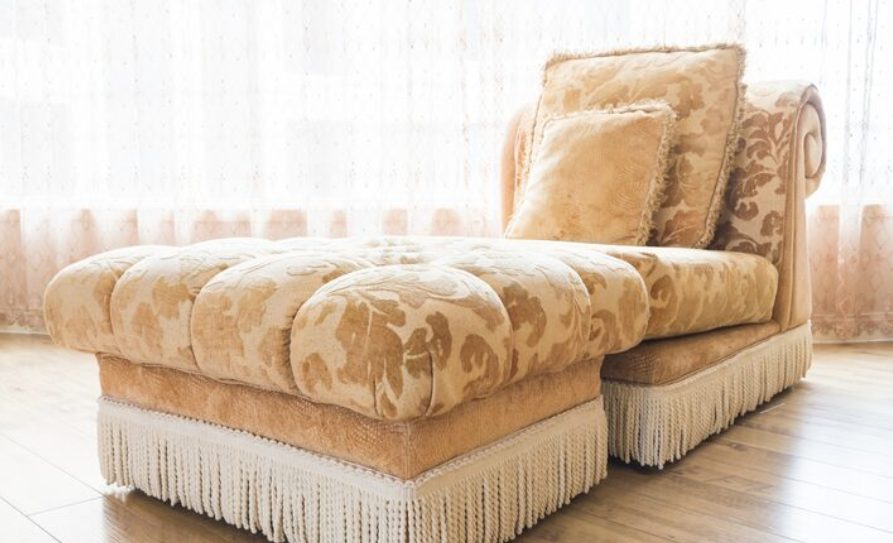
A well-designed home is shaped by more than its furniture, wall colours, and architectural features. The smaller details, including curtains, cushions, upholstery, and decorative fabrics, play an important role in creating a comfortable and visually balanced environment. These elements bring texture and warmth into a room while helping express the personality of the people who live there.
In Singapore, where modern apartments, landed properties, and luxury residences feature a wide range of interior styles, soft furnishings offer an effective way to personalise living spaces. Aratamete – Luxury Soft Furnishings in Singapore reflects an approach that brings together fabric selection, thoughtful design, and skilled craftsmanship. Through carefully chosen materials and tailored details, soft furnishings can help turn an ordinary room into a space that feels welcoming and complete.
The Importance of Craftsmanship in Home Furnishings
Quality craftsmanship is one of the defining features of well-made soft furnishings. Although fabric products may appear simple, creating them requires careful attention to measurements, stitching, finishing, and material selection. Even small inconsistencies can affect how a curtain hangs or how an upholstered piece looks once installed.
Skilled craftspeople understand how different fabrics behave. Some materials are lightweight and flow naturally, while others have more structure and are better suited to upholstery or decorative applications. Knowing how to handle these differences helps ensure that the finished product looks attractive and performs as expected.
Traditional techniques also remain valuable in modern furnishing design. Detailed stitching, carefully finished edges, and precise fabric handling can give a product a distinctive appearance. When these methods are combined with modern equipment and production processes, the result can offer both visual quality and everyday practicality.
Choosing Furnishings That Complement Your Home
Every home has its own layout, colour scheme, and design requirements. Some homeowners prefer minimalist interiors with neutral colours and simple shapes, while others enjoy traditional spaces with layered fabrics, decorative patterns, and richer tones. Soft furnishings can support either approach.
Cushions and throws are useful for introducing colour and texture without making permanent changes to a room. Curtains can frame windows, soften natural light, and provide privacy. Upholstered furniture adds comfort while contributing to the overall visual theme. These elements can work together to create a consistent appearance across different areas of the home.
The key is to consider how each item relates to the existing interior. A bold patterned curtain may become a focal point in a room with simple furniture, while subtle fabrics can help balance spaces that already contain strong colours or decorative features. Choosing complementary textures and shades can create depth without making the design feel crowded.
The Value of Bespoke Soft Furnishings
Ready-made furnishings are widely available, but they may not always fit a home’s exact requirements. Standard curtain sizes, for example, may be unsuitable for unusually wide windows or floor-to-ceiling openings. Similarly, furniture with distinctive shapes may require specially made upholstery.
Customisation provides greater control over these details. Homeowners can select fabrics, colours, patterns, dimensions, and finishing options based on their preferences. This makes it easier to create furnishings that fit the room properly and complement the surrounding design.
Bespoke curtains are particularly useful for properties with unique window dimensions or architectural features. Made-to-measure designs can improve the overall appearance of a window while helping manage light and privacy. Custom cushions and upholstery also allow homeowners to coordinate different pieces without relying on standard designs.
The process usually involves discussing the homeowner’s ideas with a design professional. Measurements, fabric samples, intended use, and maintenance requirements can all be considered before production begins. This collaborative approach helps ensure that the final furnishings are suitable for both the appearance and function of the space.
Combining Traditional Design with Modern Innovation
Interior design continues to change as new materials, technologies, and lifestyles influence the way people use their homes. However, traditional craftsmanship still has an important place in creating furnishings that feel distinctive and well made.
Modern production methods can improve accuracy, consistency, and efficiency. Digital design tools allow clients and designers to explore fabric combinations and patterns before making a final decision. Improved manufacturing equipment can also support more precise cutting and finishing.
These developments do not remove the need for skilled workmanship. Instead, they provide additional ways to bring creative ideas to life. Traditional patterns can be adapted through contemporary colour combinations, while classic materials can be used in modern furniture and window treatments.
This balance allows homeowners to create interiors that feel current without relying entirely on short-lived trends.
Sustainability and Responsible Material Choices
Sustainability is becoming an important consideration in the home furnishing industry. The production of textiles can involve significant resources, including water, energy, and raw materials. For this reason, homeowners and designers are increasingly interested in understanding where fabrics come from and how they are manufactured.
Materials such as linen, organic cotton, hemp, and wool are often considered for projects that prioritise natural fibres. Recycled fabrics can also provide alternatives for certain applications. However, the environmental impact of a textile depends on several factors, including processing methods, chemical treatments, transportation, and expected lifespan.
Durability is particularly important when selecting furnishings. Products that maintain their appearance and function over time may reduce the need for frequent replacements. Choosing the right fabric for its intended purpose can also prevent unnecessary wear. For example, frequently used seating areas generally require materials that can withstand regular contact and cleaning.
Responsible sourcing and efficient production methods can further support more sustainable furnishing choices. Homeowners can ask suppliers about material origins, care instructions, and available environmentally conscious options before making a purchase.
Creating Comfortable and Functional Living Spaces
Soft furnishings contribute to more than the visual appeal of an interior. They can also improve the way a room feels and functions. Curtains help regulate incoming sunlight, while heavier window treatments may provide additional insulation. Upholstered furniture offers comfortable seating, and fabric accessories can soften rooms that contain many hard surfaces.
These qualities are especially useful in Singapore homes, where natural light, warm temperatures, and practical space planning influence interior decisions. Lightweight fabrics may be suitable for rooms where an airy atmosphere is preferred, while thicker materials can provide privacy or help reduce unwanted light.
In open-plan homes, rugs, curtains, and upholstered furniture can also help define different areas. A rug may distinguish the living space from the dining area, while curtains can create separation when a more private setting is needed. These solutions allow homeowners to organise their interiors without making major structural changes.
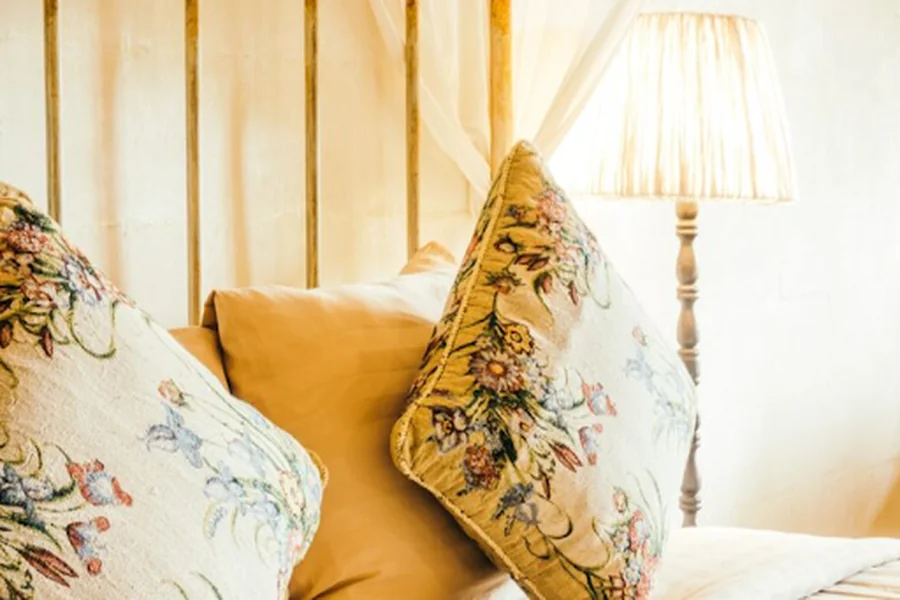
The Role of Professional Design Guidance
Choosing furnishings can become complicated when there are many fabrics, colours, patterns, and finishes to consider. A material that looks attractive in a showroom may not be the most suitable choice for a particular room. Sunlight, regular use, cleaning requirements, and existing furniture all influence how a fabric will perform.
Professional advice can help narrow down the available options. Designers and furnishing specialists can explain the differences between materials, recommend suitable finishes, and assist with measurements. They can also suggest ways to combine patterns and textures while maintaining a balanced appearance.
Personalised guidance is particularly helpful when furnishing several rooms. A consistent design approach can connect different areas of a property while allowing each room to maintain its own character. It also helps prevent costly mistakes involving unsuitable measurements or materials.
Making Luxury Furnishings Part of Everyday Living
Luxury soft furnishings are not simply decorative additions reserved for formal spaces. When selected carefully, they can improve everyday comfort while giving a home a more personal appearance. Their value comes from the combination of material quality, thoughtful design, practical performance, and attention to detail.
Aratamete reflects the wider appeal of refined soft furnishings, where craftsmanship and individual preferences come together to support distinctive interiors. From tailored curtains to carefully selected upholstery, the right fabric choices can influence the atmosphere of an entire property.
Ultimately, creating an elegant home does not depend on following every interior trend or filling rooms with expensive accessories. It is about choosing details that suit the space and the people who use it. With quality materials, suitable customisation, and professional guidance, soft furnishings can help create interiors that remain comfortable, functional, and attractive for years to come.