

Sexual health is an important part of overall well-being, yet many people still hesitate to seek medical advice because they worry about privacy, embarrassment, or being judged. These concerns can prevent individuals from getting tested when they need to. Having access to anonymous STD testing provides another way for people to take care of their sexual health while protecting their personal information. It can make the testing process feel less intimidating and encourage individuals to seek answers instead of delaying medical attention.
Sexually transmitted diseases, also known as sexually transmitted infections (STIs), can affect people regardless of age or relationship status. Some infections cause noticeable symptoms, while others may remain undetected for a long time. Regular screening, appropriate medical advice, and timely treatment are important for protecting individual health and reducing the risk of transmission. Confidential testing services help make these steps more accessible to people who value discretion.
Why Privacy Matters When Seeking Sexual Health Services
Privacy is a major concern for anyone seeking medical care, but it can be especially important when discussing sexual health. Some individuals may feel uncomfortable sharing personal details about their relationships or sexual history. Others may worry that friends, family members, colleagues, or partners could discover that they have undergone testing.
These concerns can create unnecessary barriers to healthcare. A person who fears judgement may postpone an appointment even when they have possible symptoms or believe they may have been exposed to an infection. Unfortunately, delaying testing can make it harder to identify an infection early and may increase the possibility of passing it to another person.
A confidential and respectful healthcare environment can help reduce these worries. When patients understand how their information is handled, they may feel more comfortable asking questions and seeking appropriate medical support. Protecting privacy is therefore not simply about personal preference; it can also encourage responsible decisions about sexual health.
Understanding How Anonymous STD Testing Works
Anonymous STD testing is designed to limit the use of identifying personal information during the testing process. Depending on the clinic and the type of service available, patients may be assigned a reference number or another unique identifier instead of having their names used for certain parts of the process.
The exact procedure varies between healthcare providers. Some services may allow patients to arrange testing and receive results through discreet communication channels. Others may require certain identifying information for medical records, follow-up care, or legal and public health requirements.
It is important to understand the difference between anonymous and confidential testing. Anonymous testing generally means that the patient’s identity is not linked to the test in the usual way, while confidential testing means personal information is collected but protected from unauthorised disclosure. A clinic should explain which approach it offers before the appointment so patients know what to expect.
Regardless of the arrangement, the purpose is to make screening more comfortable while maintaining appropriate medical standards.
Common Infections That May Require Screening
STD screening can help identify several types of infections. These include chlamydia, gonorrhoea, syphilis, HIV, and certain forms of viral hepatitis. Different infections require different testing methods, so the appropriate screening approach depends on a person’s symptoms, possible exposure, and medical history.
Some infections may cause symptoms such as unusual discharge, pain during urination, sores, rashes, or discomfort in the genital area. However, the absence of symptoms does not necessarily mean that someone is free from an infection. Certain STIs can remain unnoticed, which is one reason screening may be recommended even when a person feels healthy.
Not every test checks for every infection. A healthcare professional can help determine which tests are suitable based on individual circumstances. Patients should also ask whether repeat testing is needed because some infections have a window period during which they may not be detected immediately after exposure.
The Benefits of Early Detection and Timely Treatment
One of the main advantages of regular STD screening is the opportunity to identify infections before they lead to further health concerns. Many bacterial STIs can be treated with appropriate medication, while other infections can be managed with medical care and ongoing monitoring.
Early diagnosis also helps individuals understand what steps they should take to protect themselves and their partners. Depending on the infection, this may involve treatment, temporary changes to sexual activity, partner notification, or follow-up testing.
For example, untreated chlamydia and gonorrhoea can sometimes lead to complications affecting reproductive health. HIV requires a different approach, but effective treatment can help people maintain their health and significantly reduce the amount of virus in the body. The appropriate care depends on the specific diagnosis, making professional medical guidance essential.
Testing should not be viewed as something to do only when symptoms appear. It can also form part of routine healthcare for people with new partners, multiple partners, or other potential exposure risks.
Addressing Common Concerns About Anonymous Testing
Some people question whether anonymous STD testing provides the same level of accuracy as conventional screening. However, anonymity itself does not determine the quality of a laboratory test. Accuracy depends on factors such as the testing method, sample quality, timing, and laboratory standards.
Another misconception is that people who request anonymous testing are necessarily hiding irresponsible behaviour. In reality, choosing a private testing option can simply reflect a person’s desire to protect their personal information. Seeking screening is a responsible health decision, regardless of the reason behind it.
There may also be concerns about receiving positive results without having a name attached to the test. Patients should ask the provider how results are communicated and what options are available if further consultation or treatment is required. Access to clear medical guidance is important, particularly when a result needs confirmation or follow-up.
How Technology Is Making Testing More Accessible
Digital healthcare services have created additional ways for people to arrange sexual health screening. Online appointment systems can make booking more convenient, while secure communication platforms may allow patients to receive information without unnecessary visits or paperwork.
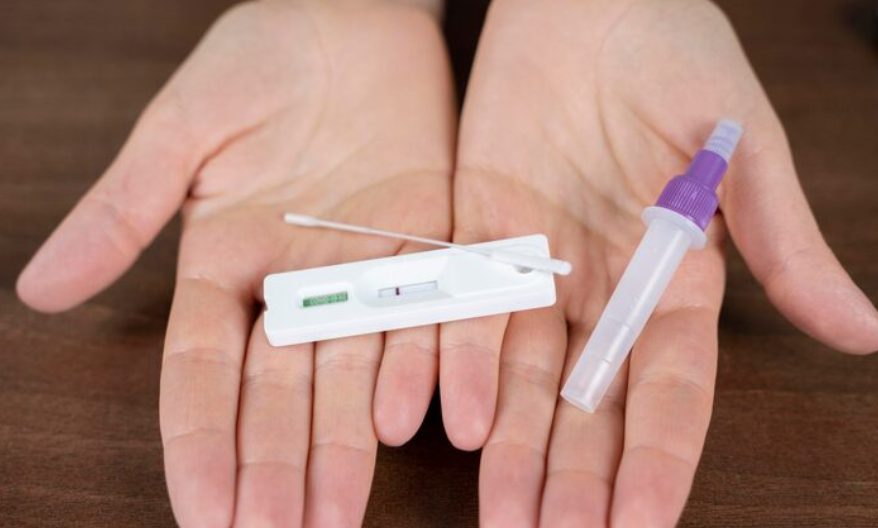
At-home testing kits have also become more widely available for selected infections. Depending on the kit, users may collect a sample themselves and send it to a laboratory for analysis. These options can offer convenience and privacy, but they are not suitable for every situation.
It is important to choose kits from reputable providers and follow the instructions carefully. Patients should also understand which infections are covered, how samples are processed, and whether the service includes medical advice. A positive result may require confirmation or a consultation with a healthcare professional. Anyone experiencing significant symptoms should seek medical attention rather than relying solely on an at-home test.
The Important Role of Healthcare Providers
Healthcare professionals play an essential role in making sexual health services more approachable. Their responsibility extends beyond conducting tests. They also explain screening options, discuss possible exposure, interpret results, and recommend suitable treatment or follow-up care.
A supportive provider should communicate without judgement and allow patients to ask questions comfortably. Clear explanations about privacy policies, testing procedures, and possible outcomes can help reduce uncertainty.
Healthcare providers must also explain any limits to confidentiality. Certain infections may be subject to public health reporting requirements, depending on local laws. Patients should understand these requirements before testing so they can make informed decisions about their care.
Building Greater Awareness Around Sexual Health
Although access to testing has improved, stigma remains a challenge. Some people still associate STDs with shame, which can discourage open conversations and delay medical attention. Better public education can help change these attitudes by presenting screening as a normal part of responsible healthcare.
Clinics, healthcare professionals, and community organisations can contribute by providing accurate information and explaining the available testing options. Clear communication about confidentiality can also help individuals understand their rights and feel more confident seeking support.
Ultimately, protecting sexual health begins with having access to reliable information and appropriate medical services. Anonymous and confidential testing options can help remove some of the concerns that prevent people from getting screened. By encouraging early detection, respectful healthcare, and informed decisions, individuals can take a more active role in their well-being while helping reduce the wider spread of sexually transmitted infections.