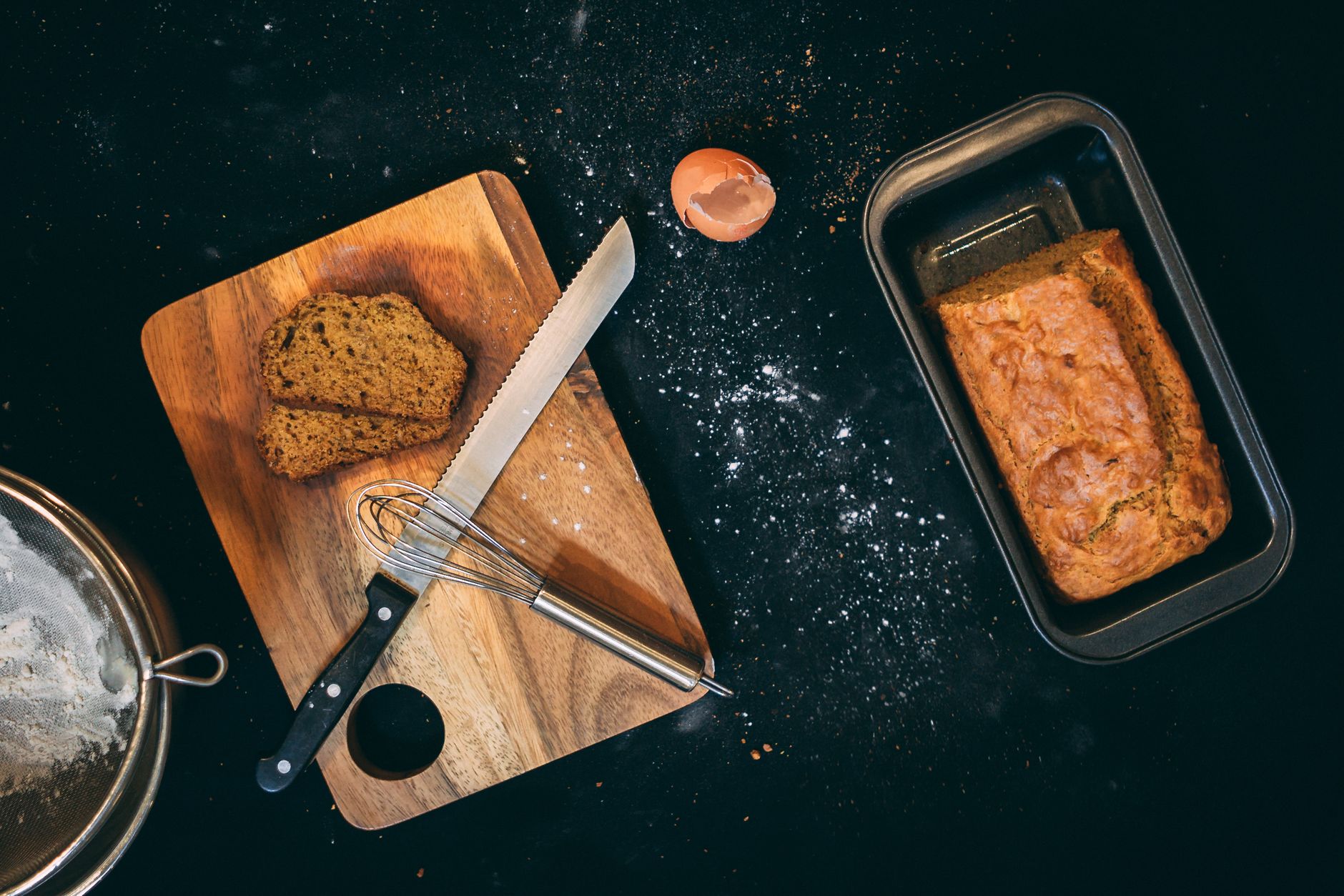
My neighbor dropped off a loaf last spring and I genuinely couldn’t tell it was gluten-free until she mentioned it. That sent me down a two-week rabbit hole of test batches until I landed on something I’d actually serve to guests.
Gluten Free Banana Bread: A Moist and Fluffy Homemade Recipe isn’t a compromise version of the real thing. Done right, it’s arguably better, because almond flour keeps the crumb tender in a way regular flour sometimes doesn’t. The trick is knowing which ingredients do the structural work that gluten normally handles, then not second-guessing yourself mid-bake.
This recipe yields 12 slices, runs about 200 calories each, and bakes in 60 minutes. Pretty straightforward once you know the few places people usually go wrong.
Ingredients That Build Flavor
The base is 1 cup of almond flour, not a blend, not a mix with rice flour or tapioca. Pure almond flour brings fat and moisture right into the dry ingredients, which is why the texture stays soft even the next day. Make sure the bag says “blanched almond flour” specifically, because almond meal (the coarser stuff ground from whole almonds) turns the loaf dense and a little gritty.
For sweetener, 1/2 cup of honey does two things sugar can’t. It adds a faint floral depth, and being liquid, it helps bind everything together. Raw honey works fine, but clover honey is cheaper and honestly indistinguishable once baked.
You need 3 ripe bananas, and by ripe I mean black-spotted, almost embarrassingly soft. They replace a good chunk of the fat you’d normally get from butter and carry the whole flavor profile. A barely-yellow banana gives you a bland, flat loaf. One more thing worth adding: a small pinch of cardamom (about 1/8 teaspoon) alongside the usual cinnamon. It sounds odd, but it rounds out the banana flavor in a way that makes people ask what’s different.
If you want chocolate chips, go with dairy-free chips and fold in about 1/2 cup after mixing. Check for a gluten-free certification on the label, same as your almond flour. Cross-contamination is a real issue for anyone with celiac, and “wheat-free” on a package is not the same as certified gluten-free.
Step-by-Step Recipe Guide
Preheat your oven to 350°F and grease a standard 9×5 loaf pan. Line it with parchment too, because almond flour loaves stick more than wheat-based ones.
- Mash the 3 ripe bananas in a large bowl until almost no lumps remain.
- Whisk in 1/2 cup honey, 2 eggs, 1 teaspoon vanilla extract, and 1 tablespoon melted coconut oil.
- Add 1 cup almond flour, 1/2 teaspoon baking soda, 1/2 teaspoon cinnamon, 1/8 teaspoon cardamom, and a pinch of salt. Stir until just combined.
- Fold in chocolate chips if using.
- Pour into the prepared pan and smooth the top.
- Bake for 60 minutes, checking at 50 minutes with a toothpick.
Let the loaf cool in the pan for at least 20 minutes before slicing. Cutting it early makes the center collapse, and the loaf will look slightly underdone when it first comes out. That’s normal. It firms up as it cools, so just leave it alone.
Mistakes Worth Avoiding
The biggest one is under-ripe bananas. If they aren’t soft and heavily spotted, leave them on the counter another day or two. You can speed things up by roasting unpeeled bananas at 300°F for about 20 minutes until the skins go black. It works well, though the mashed banana gets a little watery, so pat it dry lightly before using.
Overmixing is the second issue. Almond flour batters don’t need much encouragement, so stir until the dry ingredients disappear, then stop. Overworking it makes the loaf gummy in the middle, which is fixable in theory but annoying in practice.
Don’t skip the parchment lining. I’ve lost two perfectly good loaves to a pan that looked well-greased but wasn’t. Greasing alone isn’t enough, and parchment costs almost nothing.
Variations Worth Trying
Once you’ve made the base recipe, it’s easy to riff on it. A few variations that actually hold up:
- Peanut butter swirl: Drop 3 tablespoons of natural peanut butter over the batter, then drag a knife through it twice before baking.
- Blueberry lemon: Fold in 1/2 cup fresh blueberries and 1 teaspoon lemon zest instead of chocolate chips.
- Walnut and maple: Replace honey with pure maple syrup and add 1/3 cup chopped walnuts. Slightly denser, but really good.
- Coconut banana: Add 1/4 cup unsweetened shredded coconut to the batter. A little lime zest pairs well here.
Each variation bakes at the same temperature and time. The blueberry version might need an extra 3 to 5 minutes since the berries add moisture, so keep an eye on it after the 55-minute mark.
Before You Bake
Gluten Free Banana Bread: A Moist and Fluffy Homemade Recipe comes together fast, but your bananas and the certification on your almond flour do most of the heavy lifting. The cardamom is optional (I’d try it at least once), because it’s a small thing that quietly makes the loaf taste less like a health project and more like something you actually wanted to make.
Store slices wrapped individually at room temperature for up to two days, or refrigerate the whole loaf for up to five. It also freezes well for about a month. Slice before freezing so you can grab one piece at a time without thawing everything, which I find makes weekday mornings a lot less fussy.
FAQs
How do I know if my bananas are ripe?
The skin should be heavily spotted or mostly black, and the banana should feel soft when gently squeezed. Yellow bananas aren’t sweet or moist enough for this recipe.
Can I substitute almond flour?
Oat flour (certified gluten-free) works as a 1:1 swap but produces a slightly denser loaf. Coconut flour doesn’t substitute well here without major recipe changes.
How long does gluten-free banana bread last?
Up to two days at room temperature, five days refrigerated, or one month frozen. Wrap tightly in each case to prevent it drying out.