
A school day rarely follows one simple routine. Children leave home in the morning, spend several hours moving between classrooms, participate in activities, and often find time for outdoor play before returning home. During these transitions, clothing needs to feel comfortable and practical rather than becoming something that children constantly adjust. A suitable jacket can make everyday dressing easier, particularly when mornings are cool and indoor temperatures become more comfortable later in the day.
Choosing children’s outerwear involves more than selecting an attractive color or seasonal design. Parents need to think about fit, ease of movement, layering, and how a garment works with the child’s regular wardrobe. Exploring a Varsity Jacket can be one way to find a sporty everyday style, while considering the child’s school schedule helps determine whether a particular design is genuinely suitable.
The Morning Routine Starts With the Right Outer Layer
Getting children ready for school can be a busy experience. Parents are often managing breakfast, school bags, lunchboxes, and departure times simultaneously. During this routine, clothing that is easy to put on and comfortable to wear can make mornings a little less complicated. A jacket should fit naturally over the child’s usual outfit without requiring constant adjustments.
The first consideration should be the fit around the shoulders, chest, and arms. Children need enough room to move naturally while putting on their backpacks, reaching for belongings, and walking comfortably. A jacket that is too tight may feel restrictive, while an excessively loose one can become inconvenient during everyday activities. Checking the product’s size chart and comparing measurements with the child’s current clothing is a sensible starting point.
Parents should also consider the clothing underneath. A jacket that works over a regular school shirt may fit differently when worn with a sweater or sweatshirt. Thinking about these combinations before purchasing can help avoid choosing an option that only works with one particular outfit.
Movement Should Be Part of Every Jacket Decision
Children do not spend their school hours sitting quietly all the time. They walk between classrooms, bend to pick up books, reach for shelves, carry their bags, and participate in different activities. Their outerwear should accommodate these ordinary movements rather than interfere with them.
Sleeve length and shoulder fit are particularly important. If sleeves cover the hands excessively, children may find some everyday tasks inconvenient. Similarly, tightness around the upper body can make reaching and stretching uncomfortable. Parents can check these details by having children try a jacket over the type of clothing they normally wear to school.
Playtime creates another opportunity to evaluate practicality. Children may run, sit on playground equipment, or participate in informal games with friends. Although no jacket can replace clothing designed specifically for sports, everyday outerwear should not unnecessarily restrict normal movement. The overall cut, construction, and correct size all contribute to how comfortably a garment fits into an active routine.
Design and Comfort in PatPat Toddler Bomber Jackets
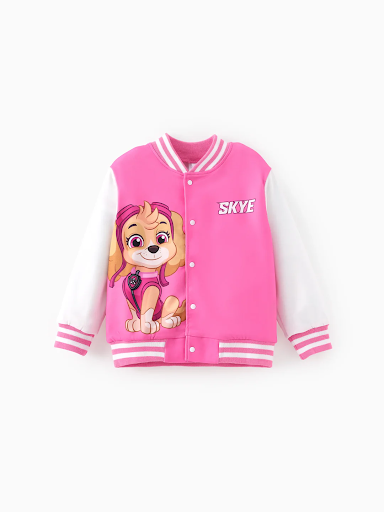
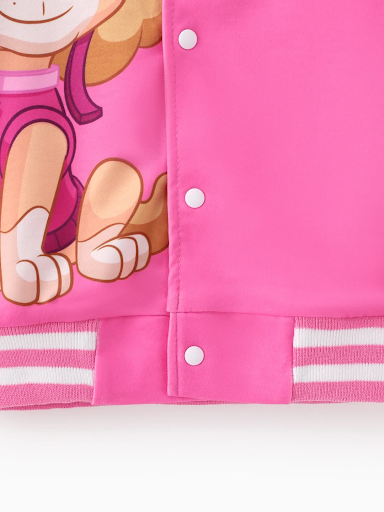
For parents exploring casual outerwear for younger children, PatPat offers the Pink Toddler Bomber Jacket, a long-sleeved option listed in sizes from two to six years. The product page describes a soft fabric made from 96% polyester and 4% spandex, with ribbed cuffs and a comfortable fit. Its pink color gives it a noticeable appearance, while the bomber-style design offers an alternative to more traditional coat shapes. The listed care instructions recommend machine washing in cold water and tumble drying on low heat. Parents can review the individual size information and product details before deciding whether this particular style suits their child’s everyday wardrobe.
Handling the Transition Between Classrooms and Outdoor Spaces
One challenge of dressing children for school is that they regularly move between environments with different temperatures. The journey from home to school may involve cool outdoor air, while classrooms can feel warmer once children have settled into their lessons. Afternoon activities may introduce another change, depending on the weather and school arrangements.
A removable outer layer gives children more flexibility in these situations. They can wear a jacket during the morning journey and take it off when they enter a comfortable indoor space. This approach is often more practical than dressing children in several heavy layers that they may not need throughout the day.
Parents can prepare outfits according to the expected weather rather than relying on the same combination every morning. A shirt underneath a jacket may work for a mild day, while a sweatshirt or sweater can provide an additional layer when temperatures are lower. The important point is to ensure that the complete outfit still allows comfortable movement.
Schools may also have different arrangements for storing clothing. Some provide hooks or designated spaces, while others expect children to keep their belongings in bags or lockers. Choosing manageable outerwear and teaching children where to put it can help prevent unnecessary confusion during the school day.
Matching Everyday Outerwear With Practical School Clothing
Children’s jackets are easier to use regularly when they coordinate with the clothes already available in their wardrobes. Parents do not necessarily need to purchase an entirely new outfit to make outerwear useful. Simple combinations with jeans, comfortable trousers, leggings, or everyday tops can create suitable school and weekend looks.
Color is one factor worth considering. Neutral shades often coordinate with several outfits, while brighter colors can add variety to a child’s wardrobe. The best choice depends on the child’s preferences and the clothes they already own. It is also sensible to consider school dress requirements before choosing something with a particularly noticeable design.
Another consideration is how often the garment will be worn. An outer layer intended for everyday school journeys may need to work with multiple outfits, whereas something purchased for occasional outings can serve a different purpose. Thinking about actual use helps parents avoid buying clothing that looks appealing but rarely becomes part of the regular routine.
Selecting Outerwear That Works for Different Ages
Children’s dressing needs to change as they grow. Younger children may still need help with sleeves, closures, and adjusting their clothing, while older children often prefer to manage these tasks independently. The right choice should reflect the child’s age, confidence, and everyday habits.
For toddlers, parents may place greater emphasis on straightforward dressing and a comfortable fit. Checking the opening, cuffs, and overall construction can help determine whether a particular garment is appropriate. Children should also have enough room to move their arms and sit comfortably without the clothing becoming unnecessarily loose.
Older children may have stronger preferences about colors, patterns, and silhouettes. Allowing them to participate in choosing outerwear can make the process easier because they are more likely to enjoy wearing something they helped select. However, appearance should still be considered alongside size information, comfort, and suitability for the expected weather.
Exploring More Options for Changing Weather
A child’s wardrobe needs can vary throughout the year. Spring mornings may require an extra layer even when afternoons become mild. During autumn, temperatures can change between the school journey and the return home. Winter may require a different approach, depending on local conditions and the amount of time children spend outside.
Parents comparing a kids jacket can explore different outerwear styles and consider how each one fits into their child’s routine. PatPat’s collection provides a place to compare available designs, colors, and sizes. Individual product pages should be checked for specific construction, fabric composition, and care instructions because these details can vary between garments.
Rather than choosing outerwear based on the season’s name alone, parents should think about the actual weather and planned activities. A lighter jacket may be appropriate for a mild school morning, while colder conditions could call for additional clothing underneath or a different type of coat. Dressing in layers provides flexibility, provided that each layer fits comfortably.
Keeping Jackets Presentable During a Busy School
Children’s outerwear is exposed to everyday use. Jackets may come into contact with playground surfaces, school furniture, bags, and other clothing. Regular care can help parents keep garments in good condition while making sure they remain suitable for repeated wear.
Care instructions should always be checked before washing. Fabric composition and garment construction can influence the appropriate cleaning method, so it is better to follow the manufacturer’s recommendations than assume every jacket requires identical treatment. Parents should also pay attention to any special instructions relating to decorative details or printed designs.
A simple wardrobe routine can make maintenance easier. Parents can check jackets when children return home, look for visible dirt, and decide whether cleaning is necessary. Keeping frequently worn outerwear in an accessible place also makes it easier to organize school clothing for the following morning.
Children can gradually learn to take responsibility for these small tasks. Hanging up a jacket after arriving home, keeping it away from wet clothing, and returning it to the same place are useful habits. These steps can reduce morning delays and help children become more independent.
Making the School-Day Jacket Test a Practical Habit
The most useful way to evaluate children’s outerwear is to imagine how it will perform throughout an ordinary day. Consider the morning journey, classroom comfort, movement during breaks, and the trip back home. A garment that fits well into these different situations is more likely to become a regular part of the wardrobe.
Parents should look beyond appearance and consider measurements, layering possibilities, construction, and care requirements. It is equally important to account for the child’s preferences and the weather conditions in which the jacket will be worn. These details help families make decisions based on everyday needs rather than temporary fashion trends.
Ultimately, a good school wardrobe is built around clothing that children can wear comfortably and parents can manage practically. Taking time to compare styles and read product information makes it easier to select suitable outerwear for different routines. When the jacket fits the child, the weather, and the day’s activities, getting ready for school becomes a more straightforward part of family life.