
What Sets Them Apart From Regular Roast Potatoes
Braised, Not Just Seasoned on the Surface
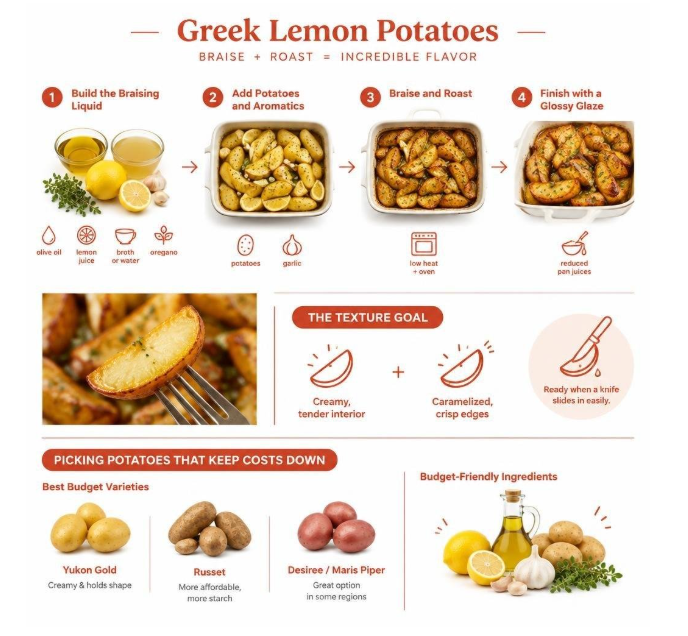
Standard roasted potatoes are usually tossed in oil and spices, which only flavors the skin. Greek lemon potatoes are different because they are braised in a shallow bath of lemon juice, olive oil, and broth or water. As they roast, the potatoes absorb this liquid, infusing the center of every wedge with deep, tangy flavor. This process also allows the pan juices to reduce into a thick, glossy glaze that coats the potatoes at the end. You do not need to pre-boil them, as the braising liquid cooks them perfectly from the inside out.
The Texture Goal
The ultimate goal for this dish is a creamy, tender interior paired with caramelized, crisp edges. Because the potatoes are cooked in liquid, you should not expect the same “shattered glass” crunch as a deep-fried potato. Instead, the focus is on a pillowy, melt-in-your-mouth texture. You can check if they are ready by piercing a wedge with the tip of a knife; it should slide in with almost no resistance.
Authentic Greek Versus American Adaptations
Traditional Greek recipes often rely on the “holy trinity” of Greek cooking: olive oil, lemon, and oregano. These versions typically use generous amounts of olive oil and no chicken broth, feta, or parmesan. In contrast, many American adaptations use chicken broth to add depth, along with garlic powder, rosemary, or thyme. Another key difference is the garlic: traditional methods often use quartered cloves to provide a subtle, mellow flavor, while some modern recipes suggest grating or mincing garlic to ensure it disperses into the sauce.
Picking Potatoes That Keep Costs Down
Best Budget Varieties
Yukon Gold potatoes are the gold standard because they offer a perfect balance of starch and waxiness, holding their shape while becoming creamy inside. If you are on a strict budget, russet potatoes are a cheaper alternative. That russets are starchier and more prone to breaking down, so they may result in a less moist finished product. In some regions, starchy varieties like Desiree or Maris Piper are common and work well.
| Potato Type | Texture | Moisture Level | Shape Holding |
| Yukon Gold | Creamy | Medium-High | Excellent |
| Russet | Fluffy | Medium | Moderate |
| Red | Waxy | High | Excellent |
Peel or Leave the Skin On
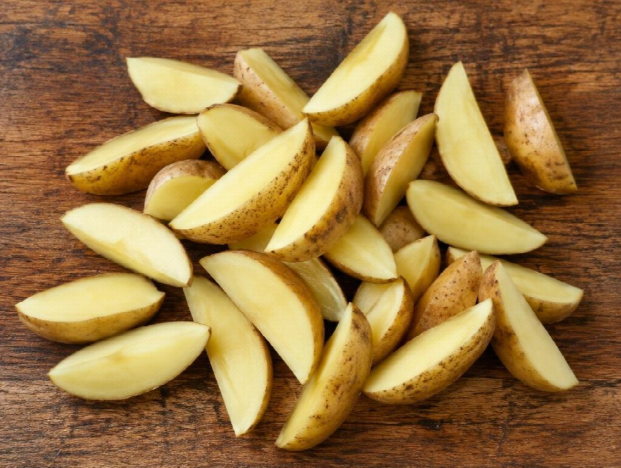
Peeling is entirely optional. The thin skin of a Yukon Gold potato softens during the braising process and crisps up nicely in the oven. Leaving the skin on adds texture and saves time. If you prefer a more uniform, velvety look, go ahead and peel them, but it is not necessary for a great result. Just be sure to scrub them well if you choose to leave the skins on.
Cutting for Even Cooking
Wedges are the preferred shape because they provide more surface area to soak up the lemony broth than cubes. To ensure they cook evenly, aim for chunky pieces about 1 to 3 centimeters thick. If your wedges are very long, cut them in half or thirds. This creates more edges, which leads to more crispy surfaces. Always arrange them in a single layer on your baking sheet; piling them up will cause them to steam rather than roast.
Building Flavour Without Expensive Extras
Lemon, Olive Oil and Liquid Ratios
Fresh lemon juice is the star of the show. Aim for about 1/3 to 1/2 cup of juice for every 2.5 pounds of potatoes. Olive oil acts as a major ingredient here rather than just a coating, so use 1/4 to 1/2 cup. A good rule of thumb for a balanced sauce is a 3:2:1 ratio of stock to oil to lemon. If you find the lemon flavor too sharp, you can reserve some juice to add right at the end for a bright, fresh finish.
Broth, Water or Vegetable Stock
While many recipes use chicken broth for richness, it is not strictly necessary. Water works perfectly well for a traditional, lighter version. If you want to keep the dish vegetarian or vegan, vegetable broth is an excellent substitute. If you use store-bought broth, opt for low-sodium versions so you can control the saltiness yourself as the liquid reduces.
Garlic, Oregano and Simple Swaps
Fresh oregano is the classic herb choice, but dried Greek oregano is equally effective as it blooms in the hot oil. If you do not have oregano, rosemary, thyme, parsley, or dill are great alternatives. For garlic, powder is a safe bet because it disperses evenly and won’t burn at high temperatures (400-425°F). If you prefer fresh garlic, finely grating it allows it to dissolve into the sauce, while quartered cloves provide a milder, more rustic flavor.
A Simple Method for Crisp Edges and a Creamy Centre
Soak, But Do Not Pre-Boil
Soaking your cut potatoes in cold water for 30 minutes to 2 hours can help remove excess starch, which promotes better crisping. After soaking, be sure to drain and pat them very dry with a towel. Do not pre-boil the potatoes; the oven braising method is designed to cook them perfectly without the extra step.
Roast, Toss and Glaze
Preheat your oven to 400-425°F. Place your potatoes on a rimmed baking sheet, pour the dressing over them, and toss to coat. Roast for about 30 minutes, then give them a good toss. Continue roasting for another 10 to 15 minutes. If you want even crispier edges, you can use a two-pan method: braise them in one pan, then transfer to a clean tray for the final browning. If the potatoes look pale at the end, a quick 2-minute broil can add color. Toss them in the reduced pan glaze and serve immediately.
Make Ahead, Storage and Reheating
You can cut your potatoes up to 24 hours in advance and keep them submerged in cold water in the fridge. Once cooked, leftovers will keep for 3 to 4 days in an airtight container. You can even freeze them for up to 3 months. To reheat, avoid the microwave, which makes them soggy. Instead, use a hot oven at 400°F for 10 to 15 minutes or an air fryer at 350°F for 4 to 5 minutes to bring back that crispy edge.
When Cooking at Home Is Not the Budget Move
Cooking for a Crowd Adds Up
While potatoes are cheap, cooking for a large party requires significant oven space and high-quality olive oil, which can get expensive when scaled up. If you double the recipe, use two separate pans and rotate them halfway through. Trying to cram too many potatoes into one pan will lead to steaming, resulting in mushy potatoes rather than the golden, crispy side dish you want.
Ordering In for a Crowd
If you are hosting a large event or office lunch and do not have the time or equipment to roast potatoes for everyone, it may be more efficient to outsource the side dishes. For those in the Boston and Greater Boston area, you can order authentic Greek lemon potatoes from Skewers Catering & Takeout. This business specializes in traditional Mediterranean catering and takeout, offering a reliable way to provide high-quality sides, skewers, and gyros for your guests without the stress of managing large-scale oven roasting yourself.
Pairings for Either Option
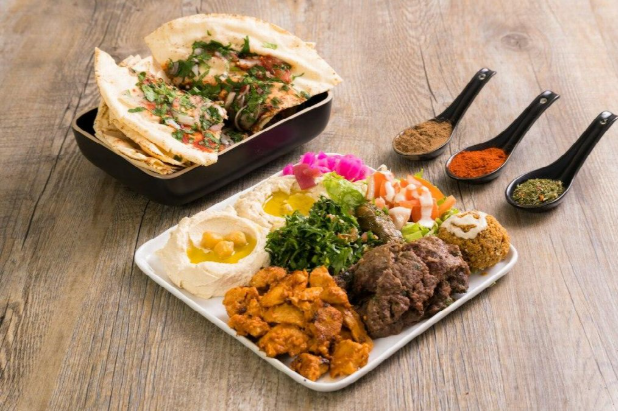
These potatoes are incredibly versatile. They pair beautifully with roast chicken, lamb chops, souvlaki, grilled fish, or steak. To round out the meal, serve them with a classic Greek salad (horiatiki), a side of cooling tzatziki, and some warm pita or naan bread.
Serving Them Warm
The magic of this dish is in the pan sauce. Serve the potatoes immediately while they are still warm and crisp. Before bringing them to the table, spoon every drop of that lemon-garlic pan sauce over the top. For a final touch, sprinkle with fresh herbs like parsley or extra oregano, a pinch of flaky sea salt, and a few lemon wedges on the side. This simple finish ensures every bite is as vibrant and flavorful as possible.