Three nights is the number I keep landing on. Shorter than that and you spend more time driving into town than being in it. Longer and you start inventing reasons to stay. Durango, Colorado rewards a tight, well-shaped trip, but only if you decide a few things before you book, because the town sits in a valley where distance is deceptive and the good stuff fills up early.
Here’s what I’ll cover: when to go, where to sleep relative to what you came for, how to sequence a day so you’re not backtracking, and the one mistake that ruins most first visits. If you want the official starting point for trip planning, Your Guide to Visiting Durango covers lodging, seasonal guides, and current conditions in one place, and it’s worth an hour before you book anything.
My take up front: pick your lodging by neighborhood, not by star rating. A mid-range motel on the right side of town beats a nicer room that forces you through Main Avenue traffic twice a day.
When Should You Actually Go?
Durango runs on two seasons that don’t overlap much, and your trip should pick one. Summer gives you the narrow gauge train at full length and long daylight for trails. Winter gives you a quiet town, cheap rooms, and access to ski terrain north of here. Spring and fall are the shoulder deals, and I’d take late September over July without hesitating.
The reason is simple. Fall colors in the San Juans draw crowds with cameras, but the crowds are thinner than summer’s, the temperatures sit in the comfortable range, and restaurants that were slammed in June finally have a table. Bring layers. Mountain weather turns fast, and an afternoon that starts at seventy degrees can end in a cold rain.
Do You Want Downtown or Out Toward the Mountains?
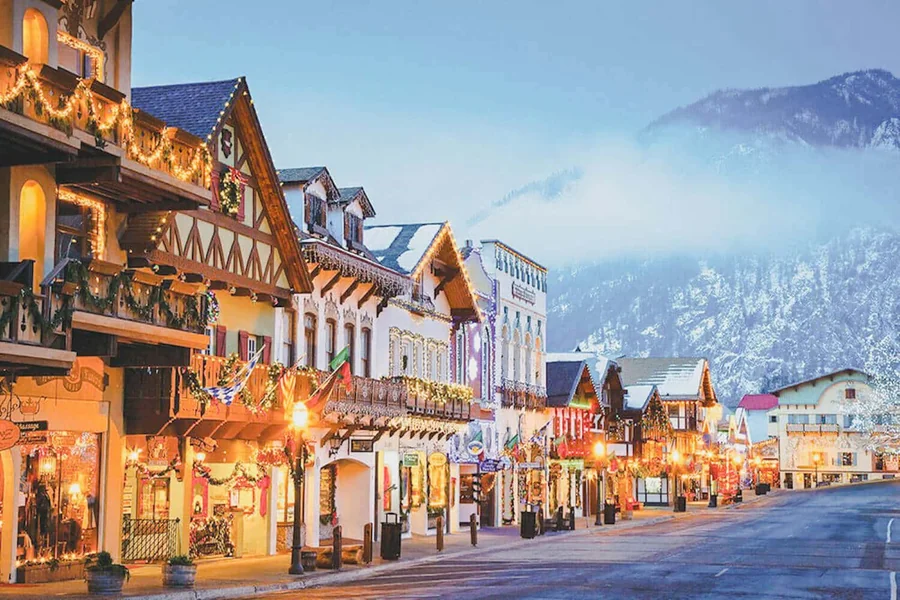
Downtown Durango puts you within walking distance of Main Avenue’s restaurants, the train depot, and the shops that make the town feel like a town. The tradeoff is parking, noise on weekend nights, and rates that climb with the convenience.
If your trip is built around trails, water, or ski days, stay north of town or on the edges. You’ll drive five minutes to dinner and save twenty minutes of valley traffic each morning. My rule: outdoors-first trips stay north, food-and-wandering trips stay walkable.
A quick comparison of what each choice buys you:
| Lodging zone | Best for | Tradeoff
|
|---|---|---|
| Downtown, near Main Avenue | Walkable dinners, train access, browsing | Parking, weekend noise, higher rates |
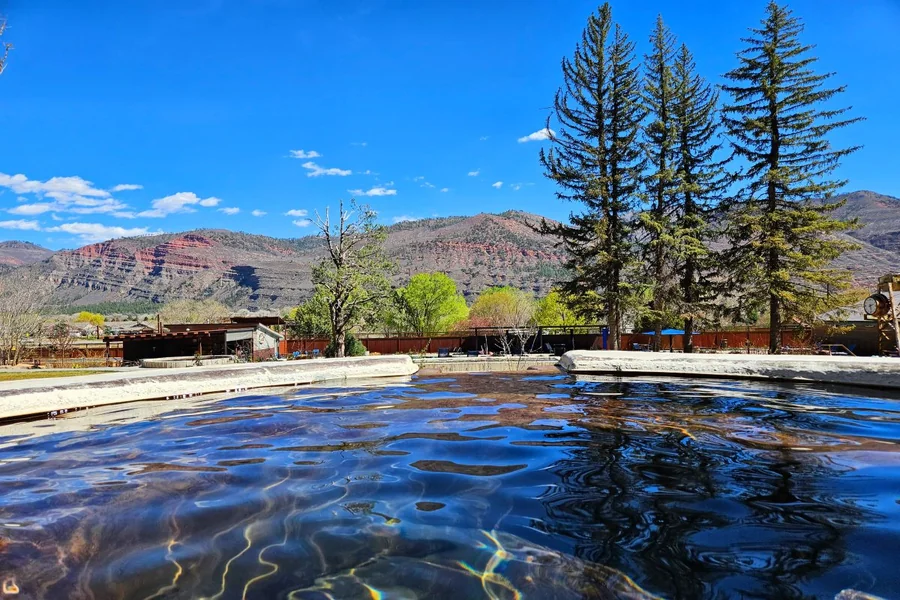
| North of town | Trails, hot springs, ski access | Short drive to everything downtown |
| Valley rental | Families, longer stays, quiet | You’ll drive for coffee and groceries |
The Sequencing Rule That Saves Your First Day
Most people land, check in, and then wander. That’s a wasted afternoon. Here’s the framework I use for any mountain town and it works especially well here. I call it Front-Load, Buffer, Slow Burn. Three moves, one per slot of your day.
Front-load the anchor. Whatever you came for, the train, a specific trail, a hot spring, gets booked and done on your first full day, weather permitting. Anchors have schedules and capacity limits. Everything else can flex. If the forecast flips, you’ve got a buffer day to swap.
Buffer the middle. Days two and three hold one planned item and open space around it. This is where the trip becomes yours: a spontaneous detour to a brewery, a pull-off along a scenic drive, an hour in a bookstore. Overplanned trips in a town this compact feel like a commute.
Slow burn the last day. Keep your final morning light and close to town. Coffee, a short walk, a museum if it’s raining. You’ll be packing and thinking about the drive, and a half-day of scrambling to squeeze in one more thing is how people leave town exhausted.
One caution on the train: the full-day round trip eats an entire day by design. That’s fine. Just don’t book it for your departure day, which is a mistake I see in nearly every itinerary thread I read.
What Should You Book Before You Arrive?
Honestly, less than the internet tells you, but these are worth locking in:
- The train, if you want it. Full-length trips sell out in peak season.
- Any hot spring or resort day pass you’ve got your heart set on.
- Saturday dinner, if you’re particular about where you eat.
- Rental cars. The airport inventory is small and prices climb.
Everything else can wait. Trails don’t take reservations. Restaurants midweek, outside of downtown prime time, have room. And here’s the thing about the surrounding public land: much of the alpine terrain above town sits inside federally managed areas where conditions and access change with the season. Check the National Park Service before you commit to a high-country plan, and build in a backup that stays below tree line.
Altitude deserves a mention too. This town sits around the same elevation as Denver, and if you flew in from sea level, your first hike shouldn’t be your hardest one. My tested approach: save the big climb for day two, drink more water than feels reasonable, and treat a headache as your body asking for a slower morning rather than a reason to push through.
A Sample Three-Day Shape
Day one, arrive early if you can, walk Main Avenue, eat somewhere casual, sleep. Day two, run your anchor, then leave the afternoon open. Day three, one short trail or a scenic drive in the morning, then a long lunch and a slow loop through the shops before you head out. It’s not a packed itinerary. That’s the point.
If you’re watching the budget, the Bureau of Labor Statistics tracks national spending on food and lodging, and mountain town rates run well above the average. Booking shoulder season and staying one block off the main drag are the two levers that actually move your total.
The One Mistake That Sinks First Visits
People build a Durango trip around a checklist of towns and landmarks within two hours of each other, then discover the mountain passes between them add hours they didn’t plan for. The fix is scope. Pick one direction and go deep. Either everything around town, or everything out toward the high country. Trying to do both in a long weekend means you experience a lot of road and very little of anywhere.
I’d rather you spend three unhurried hours in one valley than three frantic ones photographing four. The town and its surrounding range reward the second kind of traveler, the one who stays put long enough for something unexpected to happen.
So decide your anchor first, pick your side of town second, and leave at least one afternoon blank on purpose. Which item are you front-loading? Start there, and the rest of the trip tends to organize itself around it.