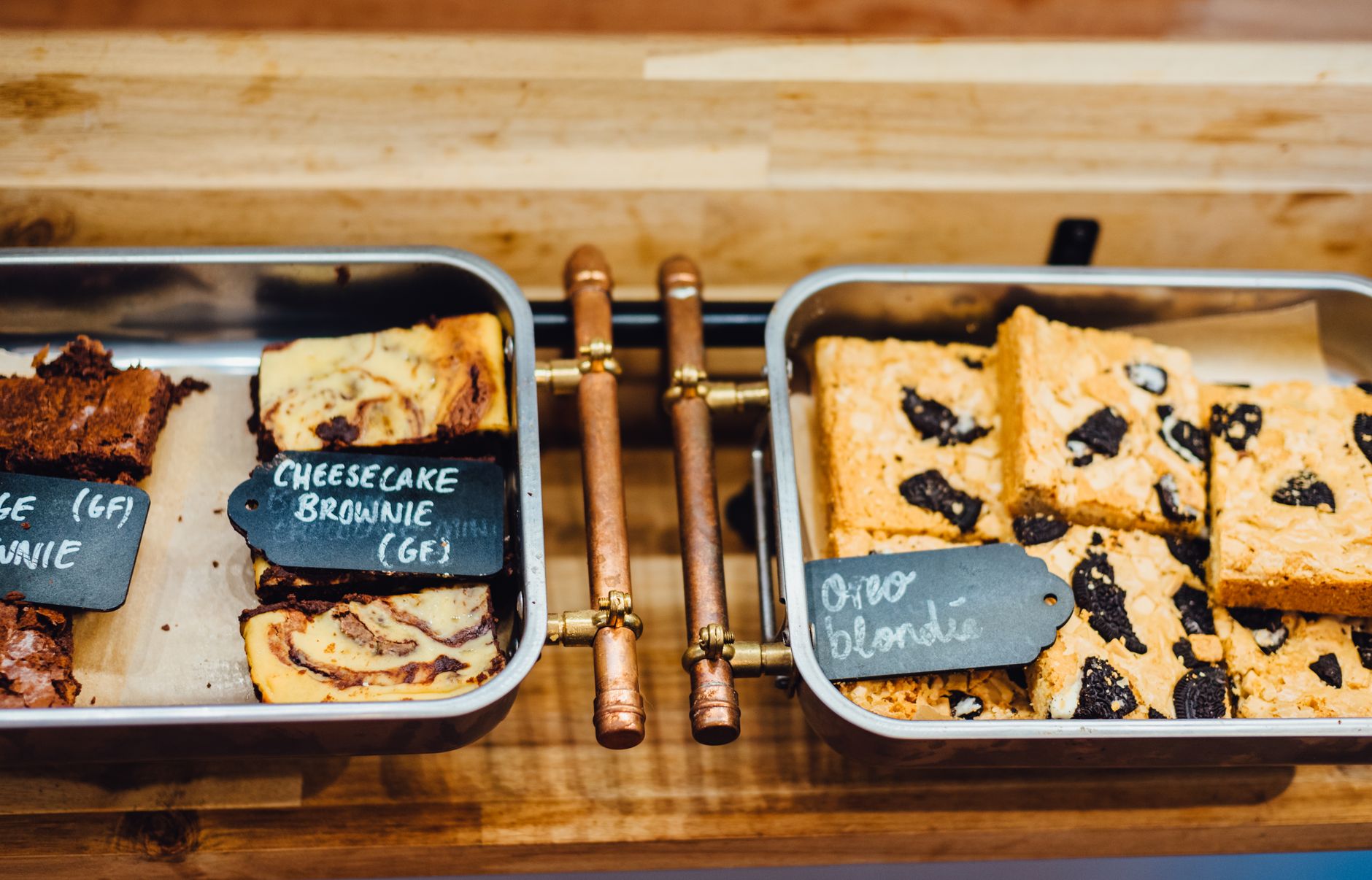
Many folks think gluten-free desserts end up bland or dry. That’s just not true. Gluten free brownies can definitely be as rich and indulgent as their wheat-based friends. The secret? It’s all about the ingredients. I’ll guide you through how to whip up some truly decadent gluten free brownies that satisfy your sweet tooth.
First, you’ve got to know which gluten-free flours are best for enhancing your brownies. Not all flours are the same. Some offer unique flavors and textures that can elevate your brownies from average to absolutely amazing. We’ll dive into those options, along with essential ingredients, an easy baking guide, and some fun variations to play around with.
Essential Gluten-Free Flours
Choosing the right flour is key when you bake gluten free brownies. Here are three fantastic gluten-free flours that really shine in brownie recipes:
1. Almond Flour: This one’s packed with protein and healthy fats, giving your brownies a moist texture and a nice nutty flavor.
2. Coconut Flour: Super absorbent, you’ll need less of it. It brings a hint of sweetness and a light texture, keeping your brownies indulgent yet fluffy.
3. Brown Rice Flour: A versatile flour that adds structure to your gluten-free goodies. It has a neutral flavor, which makes it a great partner with other flours.
Mixing these flours can lead to richer flavors and textures. To create indulgent brownies, I usually combine almond flour and brown rice flour for that perfect depth and moisture.
Key Ingredients for Richness
Of course, it’s not just about the flour. The other ingredients you use play a big part in crafting a rich brownie. Here’s a list of ten essential ingredients:
1. Unsweetened cocoa powder
2. Dark chocolate (70% cacao or more)
3. Eggs (for binding)
4. Butter (or coconut oil for dairy-free)
5. Sugar (brown sugar adds extra moisture)
6. Vanilla extract
7. Baking soda
8. Salt (to enhance flavors)
9. Chocolate chips (for gooeyness)
10. Optional nuts (if you like)
Always go for high-quality chocolate brands. I’ve had great results with Ghirardelli, Valrhona, and Guittard. They add that deep, rich flavor your brownies deserve.
Baking Guide
Baking gluten free brownies is pretty straightforward. With about 25 minutes of prep time, you can have a batch ready to bake at 350°F. Here’s a simple step-by-step guide:
1. Preheat your oven to 350°F (175°C) and grease a baking pan.
2. Melt the chocolate and butter together over simmering water or microwave them in short bursts. Stir until smooth.
3. Mix the dry ingredients: In another bowl, combine your gluten-free flours, cocoa powder, and baking soda. Add a pinch of salt.
4. Whisk the eggs in a separate bowl, then mix in the sugar and vanilla extract until well combined.
5. Fold the melted chocolate into the egg mix until blended, then gradually stir in the dry ingredients until just combined.
6. Gently add chocolate chips and any nuts if you’re using them.
7. Pour the batter into the prepared pan and smooth the top with a spatula.
8. Bake for 20-25 minutes. Insert a toothpick to check—if it comes out with a few moist crumbs, they’re done.
9. Cool in the pan for about 10 minutes before transferring to a cooling rack.
10. Cut into squares and enjoy!
Each brownie is roughly 200 calories, which makes it a treat that’s indulgent but not too guilty.
Fun Variations to Try
Looking to switch things up? Here are five fun variations that can liven up your classic gluten free brownies:
1. Mint Chocolate Brownies: Add mint extract for a refreshing twist.
2. Peanut Butter Swirl Brownies: Mix in melted peanut butter before baking for richness.
3. Berry-Rippled Brownies: Swirl in raspberry or cherry preserves for a fruity surprise.
4. Espresso Brownies: A shot of espresso or instant coffee boosts the chocolate flavor.
5. Spicy Chocolate Brownies: A pinch of cayenne or cinnamon adds a warm kick.
These variations keep the core flavors while creating something new and exciting. Kitchen experimenting is part of the joy!
Nutritional Comparison
People often ask how gluten free brownies stack up nutritionally against traditional ones. Generally, the calorie counts are pretty similar, especially when you’re using rich ingredients.
While traditional brownies might vary slightly in their macronutrient profiles, gluten-free options can have some dietary perks, especially with nut flours that offer more protein. Regular brownies sometimes pack an extra 5-10 grams of sugar or fat per serving. Keep portion sizes and ingredient choices in mind to gauge nutritional value.
Getting Creative with Baking
Baking gluten free brownies definitely doesn’t mean losing out on flavor or indulgence. With the right ingredients and techniques, you can create delicious treats that everyone will enjoy. From selecting the right flours to trying various flavors, there’s lots of room for creativity. Don’t shy away from experimenting!
Now you’re set to tackle the challenge of baking gluten free brownies that are rich and utterly satisfying.
FAQs
What are the best gluten-free flours?
Top choices include almond flour, coconut flour, and brown rice flour. Each brings unique flavors and textures that enhance the quality of gluten-free brownies.
How can I make brownies less sweet?
Cut back on sugar or switch to bittersweet chocolate to reduce sweetness. A pinch of salt can also balance out flavors nicely.
Can I substitute ingredients in gluten-free recipes?
Yes, many ingredients can be swapped out. Just consider each ingredient’s role to keep texture and flavor intact, adjusting amounts as needed.