
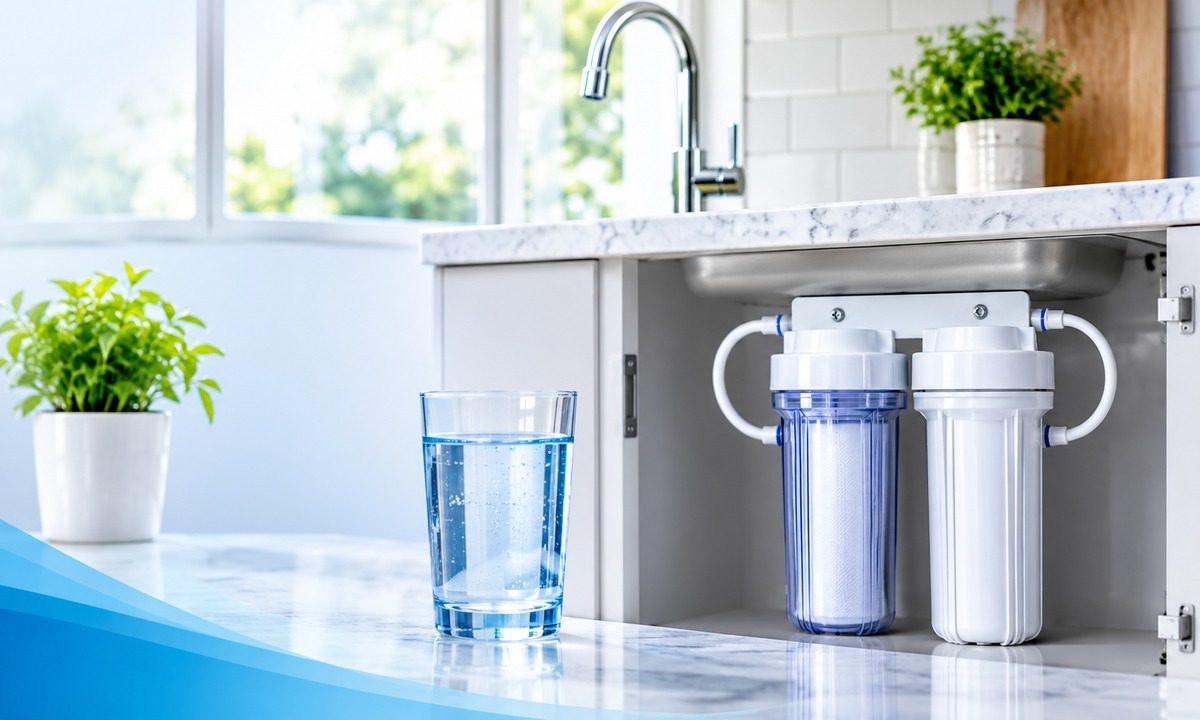
Clean dual cartridge water filter is essential for a healthy home. However, water quality can be affected by contaminants such as lead, which may enter drinking water through aging plumbing systems, corroded pipes, and other sources. Understanding these risks and choosing an appropriate filtration solution can help households make more informed decisions about their drinking water.
Lead is a natural material that has been used traditionally in plumbing materials, including pipes and plumbing components. Over time, lead can enter drinking water when these materials corrode or deteriorate. Because lead exposure can pose health risks, reducing potential exposure through appropriate water treatment is an important consideration.
Using a high-quality lead filter for water could help overcome this danger. Choosing a filtration system requires more than looking at product descriptions. Consumers should consider independent testing, certification details, and the specific contaminants a filter is designed to reduce.
Why Is Lead Contamination a Concern?
Lead contamination in drinking water is a serious concern because lead can enter water as it passes through older plumbing systems, lead service lines, and corroded fixtures. Water that looks clear and tastes normal may still contain lead, making proper testing and suitable filtration important.
Long-term exposure to lead can affect different parts of the body. Children are particularly vulnerable because lead exposure can interfere with brain development and learning. Pregnant women and adults can also experience health effects from lead exposure, including potential effects on the nervous system, kidneys, and cardiovascular health.
The level of lead in drinking water can vary depending on the plumbing materials, water chemistry, and condition of the pipes. For this reason, households concerned about lead should consider testing their water and reviewing suitable treatment options.
How Do Lead Water Filters Work?
Water filtration systems use different technologies to reduce contaminants as water passes through a filter cartridge. Depending on the filter media and its design, a system may target specific substances, including certain heavy metals, chlorine, sediment, and other impurities.
Not all water filters reduce lead. Consumers should check the manufacturer’s documentation and look for independent test results or certifications that specifically relate to the contaminant they want to reduce.
A filter designed for lead reduction may use specialized filtration media to capture or reduce lead particles and dissolved contaminants. Its performance depends on the filter design, water conditions, installation, and maintenance.
Exploring the Woder WD-D-HMG4-G4-JG Dual-Stage Filter
The Woder WD-D-HMG4-G4-JG is a dual-stage residential water filtration system designed to address different aspects of drinking water quality. It combines two separate cartridges, each with its own filtration purpose.
The first cartridge, the WD-HMG4-REP, is designed for heavy metals filtration. Woder references independent CLB Labs testing for its heavy-metal performance. Consumers can review the relevant laboratory results to understand which contaminants were tested and the reported reduction levels.
The second cartridge, the WD-G4-REP Gen4 Advanced cartridge, is designed to reduce chlorine taste and odor. According to the manufacturer’s information, this cartridge carries WQA certification under NSF/ANSI 42 and NSF/ANSI 372.
These standards cover different areas. NSF/ANSI 42 relates to aesthetic effects such as chlorine taste and odor, while NSF/ANSI 372 addresses lead-free material requirements. Neither standard, by itself, establishes that the complete dual-stage system is certified for lead removal.
The two cartridges therefore deliver separate filtration functions within one system. Consumers should review the manufacturer’s information and applicable test documentation to understand the role and performance of each cartridge.
Independent Laboratory Testing and Certification
When choosing a water filter, it is important to review both certification information and independent laboratory testing. Certifications and test reports can help consumers understand what a product has been evaluated for, but their scope should always be considered.
NSF/ANSI 53 is one standard associated with health-related contaminant reduction claims, including lead reduction for products specifically certified for that purpose. However, not every filter that mentions NSF standards has been certified for lead reduction.
Woder references CLB Labs testing for the heavy-metal performance of the WD-HMG4-REP cartridge. This laboratory testing should be considered separately from the WQA certification associated with the WD-G4-REP cartridge.
The WQA certification listed for the WD-G4-REP relates to NSF/ANSI 42 and NSF/ANSI 372. It should not be interpreted as WQA certification of the complete WD-D-HMG4-G4-JG system for lead removal.
Consumers comparing filtration systems should examine the exact certification scope, laboratory report, contaminants tested, and testing conditions. This makes it easier to understand what a particular product can and cannot claim to reduce.
Important Features to Consider
When evaluating the Woder dual-stage system or comparing other lead water filters, several characteristics deserve attention.
Filtration performance: Review which contaminants each cartridge is designed to reduce. Look for relevant independent test results and documentation rather than relying only on general product descriptions.
Certification and testing: Check whether a product has certification for the specific contaminant you want to address. Independent laboratory testing can also provide useful performance information when its scope and conditions are clearly documented.
Installation: Consider whether the system is suitable for your existing plumbing and whether the required fittings are compatible with your setup. The Woder WD-D-HMG4-G4-JG uses 1/4-inch John Guest fittings.
Maintenance: Filter cartridges need to be replaced according to the manufacturer’s instructions. Regular replacement helps maintain the intended filtration performance.
Warranty: Review the manufacturer’s warranty terms before purchasing. The product information states that it is covered by a 1-year warranty. This should not be confused with a guarantee that every cartridge will maintain the same filtration performance for one full year under all water conditions.
Benefits of Installing a Suitable Lead Filter for Water
A suitable filtration system may help reduce exposure to certain contaminants when its performance is supported by relevant testing or certification. For households concerned about lead, choosing a filter with documented lead-reduction performance is an important step.
Other potential benefits of an appropriate filtration system include improved water taste, reduced chlorine odor, and convenient access to filtered drinking water.
The benefits depend on the filter’s design and verified performance. Consumers should always check which contaminants have been tested, the reported reduction levels, and whether the documentation applies to the specific cartridge or complete system.
How to Choose the Right Filtration System
Choosing a water filtration system starts with understanding the quality of your household water. If lead contamination is a concern, consider having the water tested by a qualified laboratory. The results can help identify which contaminants need attention.
Next, compare products based on their documented performance. Look for relevant certifications or independent laboratory reports that cover the contaminants identified in your water test. Pay close attention to the difference between certification for lead reduction and certification for lead-free materials.
It is also useful to compare installation requirements, replacement cartridge availability, maintenance instructions, and warranty coverage. These details can help you choose a system that fits your household’s needs.
Maintaining Your Water Filtration System
Regular maintenance is important for keeping a dual cartridge water filter system working as intended. Follow the manufacturer’s instructions for cartridge replacement, installation, and general care.
Do not continue using a cartridge beyond the manufacturer’s recommended replacement period. Filter performance can change as the cartridge collects contaminants or reaches the end of its intended service life.
Check fittings and connections periodically for leaks, and make sure replacement cartridges are compatible with the system. Proper maintenance helps support consistent operation and reliable access to filtered water.
Conclusion
Lead contamination is an important drinking water concern, particularly in homes with older plumbing systems. Understanding the risks, testing household water when necessary, and reviewing filtration performance can help consumers make informed decisions.
The Woder WD-D-HMG4-G4-JG combines a heavy-metals filtration cartridge with a separate cartridge designed to reduce chlorine taste and odor. Woder references CLB Labs testing for the heavy-metal performance of the WD-HMG4-REP cartridge, while the WQA certification listed for the WD-G4-REP relates to NSF/ANSI 42 and NSF/ANSI 372.
By reviewing independent test results, certification details, maintenance requirements, and warranty information, consumers can better evaluate whether a filtration system meets their household’s drinking water needs.