
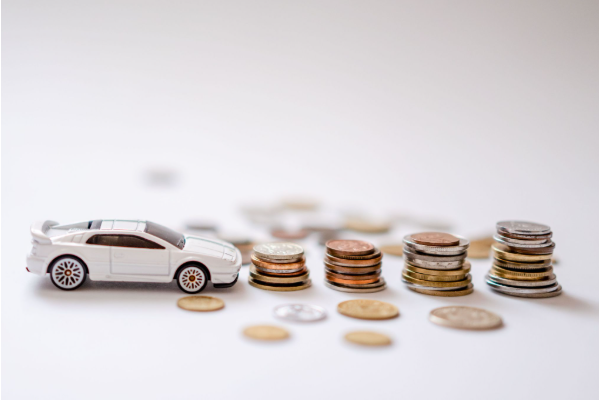
The car payment is manageable. The fuel bill is roughly what the household expected. Then, in the same fortnight, the parking permit comes up for renewal, the garage says two tyres need replacing and the insurance quote turns out to have an excess the family would struggle to pay.
None of those costs was on the card tucked behind the windscreen at the dealership. Some arrive once a year, some turn up only when something goes wrong, and one of the biggest, the car’s loss in value, never comes with an invoice at all.
The true cost of owning a car is easier to see when those expenses have names. Here are seven that can change what looks affordable, whether the household is buying another car or deciding whether to keep the one it has.
The costs that start when the keys change hands
1. Depreciation, even on a car that’s paid off
A car can sit outside the house without a monthly payment and still cost its owner money through depreciation. If it could sell for £9,000 today and is likely to fetch £7,500 a year from now, that’s an estimated £1,500 loss in value. The figure may only become real when someone makes an offer, but it belongs in any comparison with a replacement.
AAA’s 2026 driving cost study found that depreciation was the largest ownership expense in the group of new US vehicles it analysed. That’s a finding about the cars and assumptions in the study, not a forecast for every used car. An owner can get a more relevant starting point by looking at realistic prices for comparable vehicles.
2. Interest and fees behind the monthly payment
Two finance offers can have similar monthly payments and very different totals. One may require a larger deposit, run for another year or include a fee the buyer has barely noticed. The US Consumer Financial Protection Bureau’s loan comparison guidance recommends looking at the amount borrowed, annual percentage rate and loan length as well as the payment.
The full instalment matters for the monthly household budget. When calculating the cost of ownership separately, it helps to distinguish interest and fees from repayment of the amount borrowed. Counting the entire loan payment on top of depreciation would count part of the purchase cost twice.
The insurance costs that appear when something happens
3. The excess and the gaps in cover
An insurance comparison often ends when the buyer finds a premium they can afford. The test comes later, when a stone cracks the windscreen or the car needs to spend a week in the body shop. The excess, the amount the policyholder pays towards a claim, and the availability of a courtesy car can matter as much then as the annual price did at renewal.
A useful comparison starts with a situation the household would find difficult. If both adults need the car to get to work, the terms of replacement transport are worth reading closely. A cheaper policy may still suit them, but only if they can handle the costs it leaves with them.
The bills that turn up between services and fill-ups
4. Wear items outside the service price
A driver can book every service on time and still be caught out by a set of tyres or new brake pads. Servicing and replacing worn parts are often separate expenses. If a garage says the tyres are likely to need attention before winter, getting a fitted price now can make October less expensive than it feels when the bill comes without a plan.
It helps to ask how much usable life remains and when the part should be checked again. Where the garage identifies a safety issue, that work takes priority. A rough timeframe for the rest lets the owner spread out bills instead of treating every finding as either an emergency or something to ignore.
5. Parking, permits and charges on familiar routes
A £6 parking charge can feel incidental. At three days a week for 45 weeks, it comes to £810. The same trip in a car with better fuel economy may still cost nearly as much if the parking charge stays the same.
Vehicle choice can also affect what it costs to drive in some areas. The UK government’s clean air zone checker lets drivers look up whether their vehicle would incur a charge in participating cities. A buyer who regularly visits one of those areas can check the actual registration before committing to a car. An annual permit, regular toll or rented parking space deserves the same attention.
The gap between a parts price and a finished repair
6. Labour, delivery and the extras a big repair needs
When a mechanic confirms that a car needs a replacement engine, the first price the owner finds may be for the unit alone. Listings on the Ovoko engine marketplace can give the driver a sense of what used engines are available before comparing a replacement with a rebuild. The workshop still needs to confirm the engine code, what comes with the unit and what it will cost to fit.
A realistic quote can also include delivery, fluids, seals and work to address whatever caused the original failure. It’s worth asking who pays for labour if a supplied part proves faulty. A replacement sent under warranty may be welcome, but it doesn’t settle the question of who pays the garage to take the first one out.
What it costs to go without the car
7. Recovery, alternative travel and time away from work
A repair that takes two hours on the lift can still leave the car unavailable for several days. The garage may be waiting for a part or an appointment with a specialist. Meanwhile, the household has to work out how to get to work, collect the children or make a journey that has already been paid for.
That makes the promised return date part of the price comparison. A garage charging £60 less might be the better choice if the household can manage without the car. If the longer wait means paying £100 for alternative transport, the saving is gone. Checking breakdown cover and asking about a courtesy car before making a booking can make the decision easier.
The most useful car budget keeps track of two things: what the car costs over a year and when the cash is likely to leave the account. Depreciation belongs in the first calculation. The parking renewal and the tyres belong in both. Seeing those bills coming won’t make the car cheaper by itself, but it gives the household time to shop around, plan the work or decide that a different car would suit its budget better.