
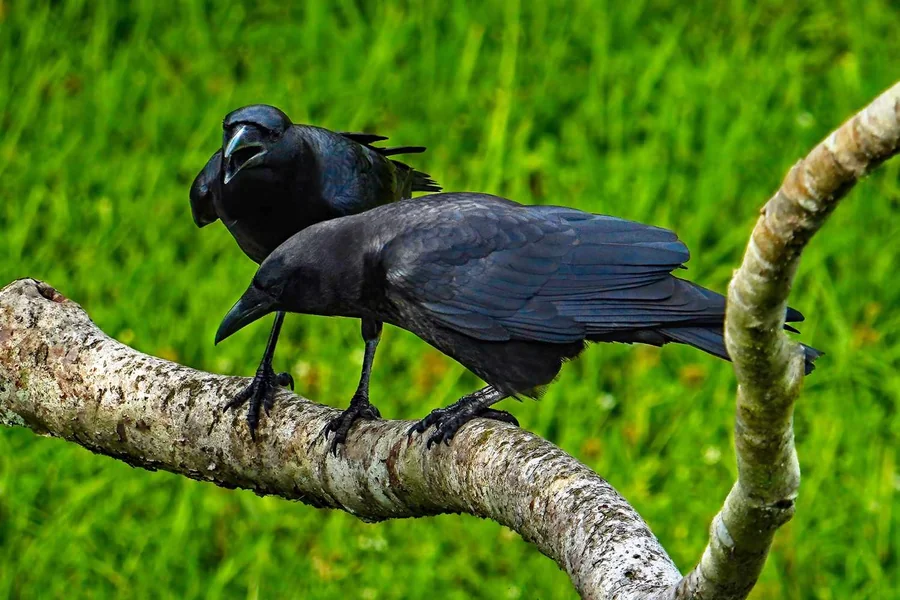
Crows are intelligent, adaptable, and surprisingly observant neighbours. A pair nesting in a nearby tree may be little more than a noisy inconvenience, but regular visits from a larger group can quickly become frustrating. They may pull apart bin bags, raid bird feeders, dig through lawns, scatter food waste, or gather on roofs and chimneys at dawn.
The challenge is that crows are not easily fooled for long. Their problem-solving ability is well documented, and they learn quickly when an apparent threat poses no real risk. That means the most successful approach is rarely a single gadget or scare device. Instead, it is a combination of removing food opportunities, making favourite areas less comfortable, and changing tactics before the birds become accustomed to them.
Start by Understanding What Is Attracting Them
Before buying anything, take a close look at what is bringing crows to your property. They are opportunistic feeders, so even small, reliable food sources can turn a garden into part of their daily route.
Common attractants include uncovered wheelie bins, torn rubbish bags, pet food left outdoors, fallen fruit, open compost heaps, and bird feeders designed for smaller species. Crows are also drawn to gardens where food is easy to spot from above. A feeder full of seed, for example, may attract pigeons and songbirds initially, but spilled seed on the ground can soon catch the attention of larger corvids.
Water matters too. A pond, bird bath, or uncovered water container can make a location more appealing, particularly during dry weather. You do not necessarily need to remove these features, but it helps to make sure they are not paired with an easy meal.
The Most Reliable Deterrent: Remove the Reward
The best crow deterrents tend to be practical rather than dramatic. If crows repeatedly find food, they will tolerate a surprising amount of disturbance to get to it. Conversely, when a garden stops offering easy rewards, they often reduce the frequency and length of their visits.
Start with waste storage. Keep bin lids fully closed, avoid leaving rubbish bags outside overnight, and clean up any spills after collection day. If birds are lifting lightweight lids, a bin strap or secure clip can make a meaningful difference.
Bird feeding may need a rethink as well. Use feeders with cages or weight-sensitive mechanisms that limit access for larger birds, and clear fallen seed from beneath them. Feeding birds is enjoyable, but it works best when the feeding area is managed rather than treated as a permanent buffet.
For a broader overview of humane, property-focused options, this guide to effective ways to deter crows offers useful context on combining prevention with deterrence methods. The important point is that discouraging crows is usually about consistency, not confrontation.
Visual Deterrents Can Help — If You Keep Them Moving
Reflective tape, spinning garden ornaments, flags, and decoy predators are often the first things homeowners try. These can work temporarily, especially when crows are investigating a new area. Movement and unpredictability are what make them useful.
A stationary plastic owl placed in the same spot for weeks, however, is unlikely to remain convincing. Crows will watch it, test the situation, and eventually ignore it. The same applies to old CDs hanging from a fence: they may catch the light nicely, but their effect fades if nothing changes.
How to Make Visual Deterrents More Effective
The key is rotation. Move deterrents every few days, use more than one type, and position them near the area you want to protect rather than randomly around the garden. For example:
- Place reflective strips near fruit trees or vulnerable feeders.
- Move a predator decoy regularly and avoid leaving it visible from exactly the same angle.
- Use wind-driven items that create irregular movement rather than predictable motion.
- Combine visual devices with better bin security and food management.
Visual measures are best treated as supporting tools. They are rarely enough on their own where crows have already established a dependable food source.
Noise Devices: Useful in Limited Situations
Sound-based deterrents can be effective, but they require more care than many people expect. Sudden noises, motion-activated alarms, or recorded bird distress calls may encourage crows to leave an area initially. Yet frequent use can disturb neighbours, pets, and other wildlife, while crows may habituate if the sound occurs without any real consequence.
For most residential gardens, low-level and occasional approaches are more sensible than loud, repeated devices. A motion-activated sprinkler is often a better option than a noise maker because it introduces an immediate, harmless interruption without creating an ongoing nuisance for everyone nearby.
If crows are gathering on a roof, avoid using methods that could encourage them to move into a chimney, loft space, or another difficult-to-access area. In those cases, a professional assessment may be safer than trial and error.
Physical Exclusion Works Best for Specific Problems
Where there is a clearly defined target, physical barriers are among the most dependable solutions. Netting can protect fruit bushes, vegetable beds, and ponds, provided it is installed tautly and checked regularly so birds cannot become entangled. Mesh guards can also help protect young plants from digging and foraging.
For roofs, balconies, or ledges where birds regularly perch, professionally fitted bird-proofing systems may be appropriate. These should be carefully selected for the location and installed in a way that does not harm birds or create hazards for people.
Consider Nesting Season Before Taking Action
Crows are protected wild birds in the UK, and active nests, eggs, and dependent young are subject to legal protections. If you suspect birds are nesting on your property, do not remove or disturb a nest without understanding the relevant rules and obtaining specialist advice where necessary.
This is particularly important in spring and early summer, when what seems like aggressive behaviour may simply be adult birds protecting nearby young. Temporary avoidance of the immediate area is often the most sensible response.
The Best Strategy Is a Layered One
There is no single crow deterrent that works forever. Crows are too adaptable for that. But a well-maintained garden with secure bins, controlled bird feeding, occasional moving visual deterrents, and targeted physical protection is far less attractive than one offering regular food and easy access.
Think of deterrence as changing the routine. Remove the reward, make favoured spots less predictable, and avoid relying on gimmicks that crows will quickly learn to ignore. With a little persistence, most households can reduce crow activity without resorting to harmful or disruptive measures.