
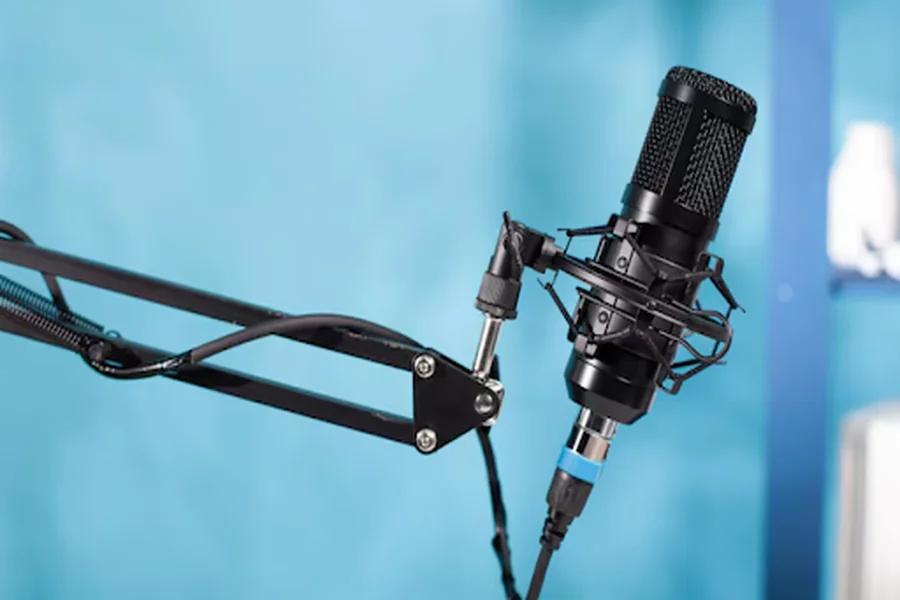
Audio has become an important part of the modern gaming experience. While graphics and gameplay mechanics often receive the most attention, sound also plays a major role in how players interact with games and each other. From hearing footsteps in competitive matches to sharing strategies with teammates, clear audio can make a noticeable difference. As online gaming, esports and live streaming continue to grow, players are paying more attention to the quality of their audio equipment.
One device that has become especially useful is the gaming microphone. It allows players to communicate clearly, take part in online communities and create content for viewers. Modern microphones are also designed with features that make them easier to use across different platforms. Understanding how these devices have developed can help gamers choose equipment that supports their playing habits and communication needs.
Why Clear Audio Matters in Modern Gaming
Sound does more than create atmosphere in a video game. It provides information that helps players understand what is happening around them. Background music, character dialogue, warning signals and environmental sounds can all influence how someone responds during gameplay.
In multiplayer games, communication is just as important. Teammates often need to share information quickly, coordinate movements and adjust their strategies. If a microphone produces unclear speech or picks up too much background noise, important instructions can be missed. A reliable microphone helps keep conversations understandable, especially during fast-paced matches where every second matters.
Audio quality also affects players who enjoy streaming or recording videos. Viewers may tolerate different levels of video quality, but poor sound can make content difficult to follow. Clear voice recordings help audiences understand commentary and stay engaged with the person playing.
How Gaming Microphones Have Improved Over Time
Earlier gaming microphones were often basic accessories designed mainly for voice chat. They served their purpose, but many offered limited sound adjustments and could struggle in noisy environments. As gaming became more social and competitive, manufacturers began developing microphones with better recording capabilities and more convenient controls.
Modern models often use directional pickup patterns to focus on the speaker’s voice. Cardioid microphones, for example, are designed to capture sound mainly from the front while reducing sounds coming from other directions. This can be helpful for players who use mechanical keyboards, have computer fans nearby or share a room with other people.
Some microphones also include built-in noise reduction and digital signal processing. These features help manage unwanted sounds and improve the consistency of voice output. While they cannot remove every background noise in every situation, they can make communication easier in typical home gaming environments.
The Role of Software in Better Audio Performance
Hardware is only one part of a modern microphone setup. Software has also become important because it gives users more control over how their voices sound. Depending on the model, companion applications may allow adjustments to microphone sensitivity, volume levels and equaliser settings.
Some software includes voice effects that change the tone of a speaker’s voice. These can be used for entertainment, streaming or specific content styles. Real-time monitoring is another useful feature because it allows users to hear their microphone output while speaking. This makes it easier to notice problems such as low volume, distortion or unwanted background sounds.
These adjustments can be helpful for streamers who use the same microphone for different activities. A setting that works well for a multiplayer game may not produce the best result when recording a podcast or speaking during a live broadcast. Having access to custom settings makes it easier to adapt the microphone to each situation.
Connectivity Options for Different Gaming Setups
The way a microphone connects to other devices can affect its convenience and overall use. USB microphones are popular because they are generally simple to install. Most can connect directly to a compatible computer without requiring a separate audio interface. This makes them suitable for beginners, casual players and streamers who want a straightforward setup.
Analogue connections, including XLR, are more common in advanced recording environments. These microphones usually need an audio interface or mixer, but they provide greater flexibility for managing sound. Users can adjust microphone levels and combine different audio sources through their equipment.
Wireless microphones have also become more common. They give gamers greater freedom to move without dealing with cables across their desks. However, buyers should check battery life, connection stability and audio delay before choosing a wireless model. Compatibility is equally important, as not every microphone supports every computer or console.
Why Design and Comfort Matter
A microphone’s appearance may not affect its sound quality directly, but design can influence how well it fits into a gaming space. Some players prefer simple models with a clean appearance, while others choose microphones with RGB lighting to match the rest of their equipment.
Practical design features are more important during everyday use. Adjustable stands and boom arms help users position microphones at a comfortable distance. A stable base can prevent unwanted movement, while a pop filter can reduce sharp bursts of air that occur when pronouncing certain sounds.
Convenient controls can also improve the experience. A physical mute button allows players to turn off their microphones quickly, while indicator lights show whether the device is active. These features are useful during online matches, meetings and live streams, where users may need to manage their microphones without interrupting what they are doing.
Finding the Right Balance Between Quality and Price
Gaming microphones are available in a wide range of prices. Choosing the most expensive option does not always guarantee the best experience for every player. The right microphone depends on how it will be used and which features are genuinely necessary.
Budget-friendly models can provide enough sound quality for casual gaming and everyday voice communication. They may have fewer adjustment options, but they can still be a practical choice for players who do not need advanced recording features.
Mid-range microphones often offer a balance between price, sound quality and convenience. They may include improved construction, better controls and additional software support. More advanced models are generally designed for streamers, podcasters and users who need greater control over their audio.
Before making a purchase, buyers should consider connection requirements, platform compatibility and microphone placement. These details can be just as important as technical specifications when deciding whether a device is suitable.
The Value of Reliable Reviews and Technical Support
Product reviews can help gamers understand what to expect from a microphone before buying it. However, it is important to look beyond promotional descriptions and focus on actual performance. Reviews that discuss voice clarity, background noise, connection stability and ease of use provide more useful information than general claims about sound quality.
Comparisons are also helpful because they show how different microphones perform under similar conditions. A model that works well in a quiet room may not perform as effectively in a busy household. Looking at feedback from people with similar setups can help buyers make more realistic decisions.
Technical support should not be overlooked either. Clear instructions, available software updates and accessible troubleshooting resources can make it easier to resolve problems. A reliable support system can also help users get more value from their equipment over time.
What the Future May Bring for Gaming Audio
Gaming audio technology continues to develop as players expect better communication and more flexible equipment. Artificial intelligence and improved digital processing are helping manufacturers explore more advanced ways to reduce background noise and improve voice clarity.
Wireless technology may also continue to improve, offering more dependable connections and longer battery life. Software is likely to become more adaptable, allowing users to adjust microphone settings for different games, streaming platforms and recording activities.
As these developments continue, gaming microphones will remain an important part of online communication and content creation. Their role goes beyond simply capturing a player’s voice. They help people work together, share experiences and connect with gaming communities.
Choosing Audio Equipment That Supports Your Gaming Needs
A good gaming microphone can make online communication clearer and content creation more enjoyable. However, the best option is not necessarily the one with the most features or the highest price. Players should consider their usual gaming activities, available equipment and preferred level of control before making a decision.
By paying attention to sound quality, connectivity, comfort, durability and software support, gamers can find equipment that suits their needs. As manufacturers continue to improve audio technology, players can expect more convenient and capable devices that make communication an even better part of the gaming experience.